How to Perform a Basic 3-Phase Breaker Safety Check and Troubleshooting
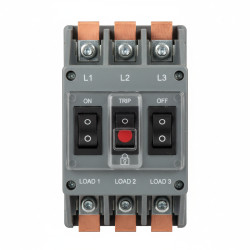
Want this done properly without the hassle?
Aap DIY try kar sakte hain, lekin agar time nahi ya confidence kam ho, to professional bula lena better hota hai. Galat step se damage ya safety issue ho sakta hai.
Starting from
Rs. 1500
Quick answer (read this first)
- Locate and identify your main 3-phase breaker.
- Perform a thorough visual inspection for any signs of damage.
- Test breaker switching operation carefully.
- Safely reset any tripped breakers.
- Contact a certified electrician for persistent or complex electrical problems.
Safety first
- Crucially, always switch off the main power supply to the entire property before starting any inspection or work.
- Use only properly insulated tools to prevent electric shock.
- Never come into contact with bare wires or terminals when power is on.
- Wear appropriate personal protective equipment, including safety gloves and eye protection.
- Ensure your work area is completely dry, avoiding wet or damp surfaces.
- If you feel uncertain, uncomfortable, or encounter any issue beyond a basic check, immediately stop and call a certified electrician.
Tools you may need
- A complete set of insulated screwdrivers
- A reliable multimeter (recommended for verifying power status and advanced checks)
- A bright flashlight or headlamp for visibility
- Electrical safety gloves
- Safety glasses or goggles
Step-by-step
Step 1
- Isolate Main Power: Locate your main electrical distribution board (DB). Switch off the main incoming power supply that feeds the entire property. Crucially, verify that the power is off using a non-contact voltage tester or multimeter before proceeding.
Step 2
- Perform Visual Inspection: Carefully remove the cover of your breaker panel. Visually examine all 3-phase breakers for any visible signs of damage. Look for burn marks, melted plastic, discoloration, or any unusual physical defects.
Step 3
- Inspect Wire Connections: Gently tug on each wire connected to the breaker terminals. Ensure all connections are secure and there are no loose wires. Avoid over-tightening screws if you make minor adjustments, as this can damage the wire or terminal.
Step 4
- Test Breaker Operation: Individually switch each 3-phase breaker to the ‘OFF’ position, then back to ‘ON.’ Ensure it moves smoothly without sticking or excessive resistance. If a breaker feels stiff or unusual, note it.
Step 5
- Reset Tripped Breakers (If Any): If you find any breaker in the ‘OFF’ or an intermediate ‘TRIPPED’ position, it needs to be reset. Firmly push the handle all the way to the ‘OFF’ position first. Then, push it completely to the ‘ON’ position.
Step 6
- Restore Power and Monitor: Securely reattach the breaker panel cover. Go back to your main distribution board and restore the main incoming power supply. Carefully observe the panel and connected appliances for any immediate breaker trips, unusual buzzing sounds, or burning smells.
Step 7
- Perform a Basic Load Test: If applicable, briefly turn on a few high-load 3-phase appliances or equipment that rely on these breakers. Monitor the system to ensure it handles the load without any breakers tripping or showing signs of stress.
Common mistakes
- Failing to turn off the main power supply before beginning any work on the electrical panel.
- Using non-insulated tools, which poses a serious electrocution risk.
- Disregarding or overlooking obvious visual signs of damage, such as burn marks or melted components.
- Repeatedly resetting a breaker that continues to trip without investigating and addressing the underlying cause.
- Attempting repairs or modifications that go beyond simple inspections and resets.
When to call a professional
- Your 3-phase breaker continues to trip persistently after resetting, indicating an underlying fault.
- You detect a burning smell, see smoke, or notice sparks coming from the electrical panel.
- Any wires or breaker components appear discolored, melted, or charred.
- You hear unusual buzzing, crackling, or humming sounds originating from the breaker panel.
- You feel uncomfortable, uncertain, or lack the expertise to safely perform any step in this guide.
- You require new 3-phase installations, major wiring upgrades, or complex repairs beyond basic troubleshooting.
Want this done properly without the hassle?
Aap DIY try kar sakte hain, lekin agar time nahi ya confidence kam ho, to professional bula lena better hota hai. Galat step se damage ya safety issue ho sakta hai.
Starting from
Rs. 1500
100% Money Back Guarantee
If you are not satisfied with the service