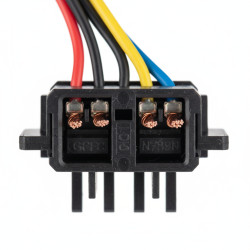
How to Prevent Common 3 Phase Breaker Install Problems and When to Call a Pro
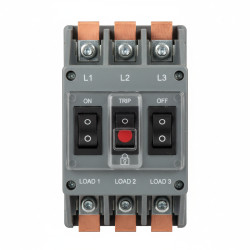
Want this done properly without the hassle?
Aap DIY try kar sakte hain, lekin agar time nahi ya confidence kam ho, to professional bula lena better hota hai. Galat step se damage ya safety issue ho sakta hai.
Quick answer (read this first)
- Always conduct precise load calculations to correctly size your 3-phase breaker.
- Use only high-quality, certified 3-phase breakers from reputable manufacturers.
- Verify impeccable grounding and earthing for all 3-phase electrical systems.
- Due to inherent risks and complexity, always entrust 3-phase installations to certified electricians.
Safety first
- Never attempt 3-phase electrical work without proper training and certification.
- Always turn off the main power supply at the meter before any inspection or work.
- Use insulated tools and wear appropriate personal protective equipment like gloves and safety glasses.
- Ensure proper earthing is in place and regularly checked for integrity.
- Keep the work area completely dry; water and electricity are a dangerous combination.
Tools you may need
- Voltage Tester/Multimeter (for safe diagnostic checks, not installation)
- Insulated Screwdriver Set (for checking terminal tightness, never for live work)
- Wire Strippers (only for very minor, non-live wire assessments, never for installation)
- Personal Protective Equipment (PPE): Safety Gloves, Safety Glasses
- Circuit Breaker Finder (to identify circuits safely)
Step-by-step
Step 1
Calculate Load Requirements Accurately: Precisely determine the total power needs of all 3-phase appliances to ensure correct breaker sizing and prevent overload.
Step 2
Verify Utility Supply: Confirm that your incoming power supply from the utility is 3-phase (typically 400V phase-to-phase in Pakistan) and check for stable voltage.
Step 3
Select Quality Breakers: Always choose certified, high-quality 3-phase breakers from trusted brands to ensure reliability and safety. Avoid unbranded or cheap alternatives.
Step 4
Inspect Wiring Gauge and Condition: Ensure all existing or new wiring matches the appropriate gauge for the expected current load. Check for frayed insulation or signs of damage.
Step 5
Confirm Robust Earthing System: A functional and correctly installed earthing system is critical for 3-phase safety. Verify its continuity and proper connection.
Step 6
Monitor for Early Warning Signs: After professional installation, observe for frequent breaker trips, unusual humming, burning smells, or discolored components.
Step 7
Schedule Regular Professional Checks: Arrange for periodic inspections of your 3-phase panel by a certified electrician to identify loose connections, wear, or potential hazards.
Common mistakes
- Underestimating load requirements, leading to undersized or frequently tripping breakers.
- Using low-quality, counterfeit, or non-compliant breakers which can fail catastrophically.
- Ignoring proper earthing and grounding procedures, significantly increasing shock risks.
- Attempting DIY 3-phase installation without expert knowledge, risking severe injury or damage.
- Overlooking loose connections, which can cause dangerous arcing, power fluctuations, and fires.
- Improperly balancing loads across the three phases, leading to uneven wear and potential system failure.
When to call a professional
- For all actual 3-phase breaker installations, upgrades, or complex wiring changes.
- If you experience frequent breaker trips without an obvious cause, indicating an underlying electrical issue.
- When you notice burning smells, sparks, buzzing sounds, or discolored outlets/panels.
- If you need to upgrade your existing 3-phase electrical system to accommodate new appliances.
- For any issues involving the main power supply from the utility or your electricity meter.
- If you are unsure about any aspect of 3-phase electrical work; safety should always be your top priority.
Want this done properly without the hassle?
Aap DIY try kar sakte hain, lekin agar time nahi ya confidence kam ho, to professional bula lena better hota hai. Galat step se damage ya safety issue ho sakta hai.