How to Troubleshoot AC Gas Refill R410 Inverter Issues at Home
Want this done properly without the hassle?
Aap DIY try kar sakte hain, lekin agar time nahi ya confidence kam ho, to professional bula lena better hota hai. Galat step se damage ya safety issue ho sakta hai.
Quick answer (read this first)
- Always check power supply and circuit breaker first.
- Regularly clean indoor unit air filters.
- Confirm remote settings are for cooling and correct temperature.
- Listen for any abnormal noises from the AC units.
- Inspect the outdoor unit for proper fan operation and ice buildup.
Safety first
- Crucial: Always turn off the AC unit’s main power switch before any inspection or cleaning.
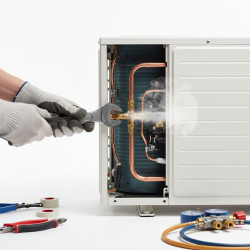
- Never attempt to open sealed AC components or handle refrigerants like R410 yourself; they are under high pressure and require specialized tools and training.
- Avoid touching any electrical wiring or internal components.
- Use a sturdy ladder and have someone spot you if inspecting the outdoor unit at height.
- Immediately stop troubleshooting and call a professional if you detect a strong gas smell, see refrigerant leaks, or observe severe damage.
Tools you may need
- Screwdriver (for filter panel access, if applicable)
- Cleaning brush or vacuum cleaner with brush attachment
- Flashlight (for dark areas)
- Soft cloth or towel
Step-by-step
Step 1
Verify Power Supply: Confirm your AC unit is receiving electricity. Check the main switch and ensure the circuit breaker for the AC hasn’t tripped. If it has, reset it once. If it trips repeatedly, do not proceed; call a professional.
Step 2
Review Remote Control Settings: Ensure your remote control is set to ‘Cool’ mode, not ‘Fan’ or ‘Dry.’ Set the temperature to the lowest comfortable setting (e.g., 18-24°C) to test cooling efficiency.
Step 3
Clean Air Filters: Turn off the AC at the main switch. Open the indoor unit’s front panel and carefully remove the air filters. Inspect them for heavy dust and debris. Clean them thoroughly using a vacuum cleaner or by washing with water (ensure they are completely dry before reinserting).
Step 4
Listen for Unusual Noises: With the AC running, listen carefully for any abnormal sounds from both the indoor and outdoor units. Hissing, gurgling, rattling, or grinding noises can indicate various issues, including potential refrigerant problems or mechanical faults.
Step 5
Inspect Outdoor Unit Airflow: Ensure the outdoor unit’s fan is spinning correctly and there are no obstructions (like overgrown plants, dirt, or debris) blocking the airflow around it. Restricted airflow severely impacts cooling performance.
Step 6
Check for Ice Formation: If the outdoor unit’s pipes or coils are covered in ice, this is a strong sign of a problem (often low refrigerant or airflow issues). Turn off the AC immediately and allow it to defrost completely for several hours before attempting to restart. If ice reappears, professional help is needed.
Step 7
Examine Drain Line: Locate the AC’s drain pipe (usually leading outside) and check for any blockages or leaks. A clogged drain can prevent proper condensation removal, sometimes affecting cooling or causing water damage.
Common mistakes
- Neglecting regular cleaning of air filters, which significantly restricts airflow and reduces cooling efficiency.
- Misconfiguring remote settings, such as operating in ‘Fan’ mode instead of ‘Cool’ or setting the temperature too high.
- Immediately assuming a gas leak (R410 refill needed) without first checking simpler, common troubleshooting issues.
- Ignoring unusual sounds (like hissing or grinding) or peculiar smells coming from either AC unit.
- Allowing debris, plants, or other obstructions to block the outdoor unit’s vents, hindering heat dissipation.
When to call a professional
- If your AC still fails to cool effectively after you’ve completed all basic troubleshooting steps.
- If you consistently hear a distinct hissing or bubbling sound, which strongly indicates a refrigerant (R410) leak.
- If the outdoor unit’s coils or pipes continue to freeze over even after cleaning and defrosting.
- If you smell burning odors, hear loud grinding or rattling noises, or notice visible damage to the unit.
- For any electrical problems beyond a simple tripped breaker, or if the compressor is not engaging.
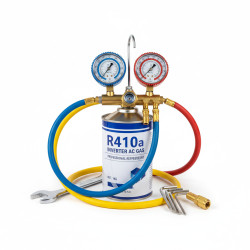
- If you suspect the AC needs an R410 gas refill or requires any complex internal repair that involves sealed components.
Want this done properly without the hassle?
Aap DIY try kar sakte hain, lekin agar time nahi ya confidence kam ho, to professional bula lena better hota hai. Galat step se damage ya safety issue ho sakta hai.