How to Troubleshoot AC Installation Issues at Home
Want this done properly without the hassle?
Aap DIY try kar sakte hain, lekin agar time nahi ya confidence kam ho, to professional bula lena better hota hai. Galat step se damage ya safety issue ho sakta hai.
Quick answer (read this first)
- Confirm the AC’s circuit breaker is engaged and power is reaching the unit.
- Inspect the outdoor unit for any forgotten packaging, debris, or obstructions from installation.
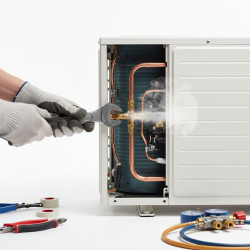
- Check refrigerant lines for kinks, damage, or signs of ice formation indicating improper installation.
- Verify the condensate drain pipe is clear, properly sloped, and not leaking.
- Listen for unusual sounds like rattling or grinding that might indicate loose parts or improper mounting.
Safety first
- Always turn off the main power to the AC unit at the circuit breaker before inspecting.
- Do not touch electrical components with wet hands or without proper insulation.
- Wear insulated gloves and safety glasses if checking electrical parts.
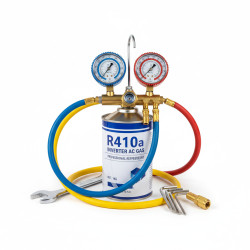
- Never attempt to handle refrigerant yourself; it requires specialized training and tools.
- Do not climb on unstable ladders or surfaces; use a sturdy ladder if needed.
Tools you may need
- Screwdriver set (Philips and flathead)
- Flashlight
- Gloves
- Cleaning cloth
- Small brush
Step-by-step
Step 1
Verify Power Supply and Circuit Breaker: Ensure the AC’s dedicated circuit breaker in your main electrical panel is switched ‘ON’. Confirm the outdoor unit’s disconnect switch is also ‘ON’. If the unit doesn’t power on, check the main breaker again.
Step 2
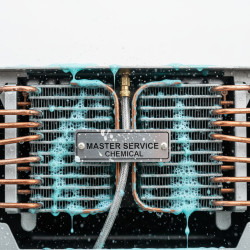
Inspect Outdoor Unit for Obstructions: Carefully check the condenser coils, fan blades, and surrounding area of the outdoor unit for any forgotten packaging materials, debris, or leaves that might obstruct airflow or fan operation from the installation process.
Step 3
Examine Refrigerant Lines for Damage: Visually inspect the copper refrigerant lines connecting the indoor and outdoor units. Look for any visible kinks, bends, flattenings, or signs of oil leaks or ice formation on the lines, which indicate improper installation or a refrigerant issue.
Step 4
Check Condensate Drain Pipe for Blockages: Locate the drain pipe (usually a PVC pipe) coming from the indoor unit, leading outdoors. Ensure it has a continuous downward slope and is not kinked, clogged with debris, or overflowing, as this can cause water leaks.
Step 5
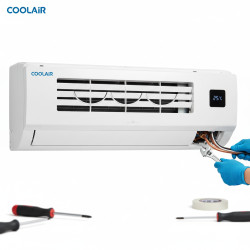
Confirm Indoor Unit Mounting and Airflow: Verify the indoor unit is securely mounted and level. Check that air filters are correctly inserted (if they were removed during installation) and that supply and return air vents are not obstructed.
Step 6
Listen for Unusual Noises: Pay close attention to any strange sounds immediately after installation, such as rattling, vibrating, grinding, or loud hissing from either unit. These can indicate loose components, improper mounting, or gas leaks.
Step 7
Verify Remote Control and Thermostat Settings: Ensure the AC remote control is set to ‘Cool’ mode and the desired temperature is lower than the room temperature. Confirm that the thermostat (if separate) is correctly wired and powered on.
Common mistakes
- Overlooking the main circuit breaker or outdoor disconnect switch after a new installation.
- Not removing all packaging materials or debris from the outdoor unit’s fan or coils.
- Ignoring visible kinks, damage, or improper insulation on the refrigerant lines.
- Failing to ensure the condensate drain pipe has proper slope or is free of blockages, leading to leaks.
- Attempting to handle refrigerant or complex electrical wiring without professional expertise.
When to call a professional
- If the AC unit is not turning on despite power checks and remote settings are correct.
- If you hear loud, unusual grinding, banging noises, or a persistent hissing sound.
- If there’s a strong burning smell or visible smoke from any part of the unit.
- If refrigerant leaks are suspected (e.g., poor cooling, ice on lines, hissing sound).
- If there’s significant water leakage from the indoor or outdoor unit that you cannot resolve.
- If electrical wiring issues, tripped breakers, or strange electrical odors are evident.
- When you’ve tried all basic troubleshooting steps and the problem persists.
Want this done properly without the hassle?
Aap DIY try kar sakte hain, lekin agar time nahi ya confidence kam ho, to professional bula lena better hota hai. Galat step se damage ya safety issue ho sakta hai.