How to Perform a Basic Balcony Drain Safety Check and Quick Fixes
Want this done properly without the hassle?
Aap DIY try kar sakte hain, lekin agar time nahi ya confidence kam ho, to professional bula lena better hota hai. Galat step se damage ya safety issue ho sakta hai.
Quick answer (read this first)
- Perform a visual check for debris weekly.
- Clear minor clogs with household tools like a wire brush or plunger.
- Immediately address slow drainage to prevent major blockages.
- Inspect for any cracks or leaks around the drain quarterly.
- Know when to call a professional for persistent issues.
Safety first
- Always wear protective gloves and eye protection.
- Never use harsh chemical drain cleaners, as they can damage pipes and are hazardous.
- Be cautious of slippery surfaces, especially after rain or during cleaning.
- Avoid standing on unstable railings or furniture to reach drains.
- Ensure adequate lighting for clear visibility during inspection.
Tools you may need
- Protective gloves
- Small trowel or scoop
- Wire brush or old toothbrush
- Bucket or waste bin
- Plunger (optional for stubborn clogs)
- Garden hose (optional for flushing)
Step-by-step
Step 1
Gather Your Tools and Safety Gear: Put on protective gloves and eye protection before starting any work.
Step 2
Clear Surface Debris: Remove all visible leaves, soil, litter, and other large particles from around and on top of the drain opening.
Step 3
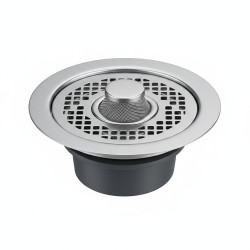
Inspect the Drain Grating: Check if the drain cover is securely in place and free of damage. Ensure no pieces are loose or broken.
Step 4
Remove Trapped Debris Under Grating: Carefully lift the drain cover and manually clear any trapped items like hair, mud, or small stones from beneath it.
Step 5
Test Water Flow: Slowly pour a bucket of water down the drain. Observe if the water drains quickly and smoothly, or if it pools or drains slowly.
Step 6
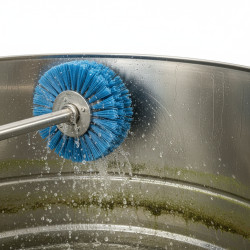
Address Minor Visible Clogs: If drainage is slow, use a wire brush or an old toothbrush to dislodge superficial blockages within the visible drain pipe. Avoid pushing debris further down.
Step 7
Use a Plunger for Standing Water (If applicable): If water is standing, place a plunger firmly over the drain opening and pump several times to create suction and dislodge the clog.
Step 8
Flush Again to Verify: After clearing, pour another bucket of water to confirm the clog is removed and water flows freely.
Step 9
Inspect for Leaks and Cracks: Carefully examine the area immediately surrounding the drain for any visible cracks in the balcony flooring, grout, or signs of water seepage on the balcony surface or below.
Step 10
Final Clean-up: Ensure the balcony surface around the drain is clean and free of future debris accumulation.
Common mistakes
- Ignoring slow drainage, which can quickly lead to bigger blockages and potential water damage.
- Using strong chemical drain cleaners that can corrode pipes, harm the environment, and pose safety risks.
- Overlooking small cracks in the balcony surface near the drain, which can indicate structural issues or cause leaks.
- Not wearing appropriate protective gear during cleaning, leading to potential injuries or exposure to contaminants.
- Attempting to dismantle complex drain parts without proper knowledge or tools, which can cause further damage.
When to call a professional
- If blockages persist despite performing quick fixes with a plunger or wire brush.
- When visible cracks or structural damage appear around the drain or on the balcony flooring.
- If you notice water seepage, dampness, or staining on walls or ceilings directly below the balcony.
- For complex plumbing issues such as foul odors consistently emanating from the drain or water backing up.
- If the drainage problem affects other areas of your home, indicating a larger plumbing system issue.
Want this done properly without the hassle?
Aap DIY try kar sakte hain, lekin agar time nahi ya confidence kam ho, to professional bula lena better hota hai. Galat step se damage ya safety issue ho sakta hai.