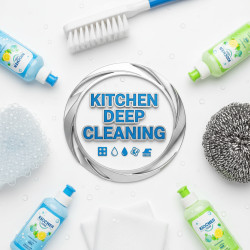
How to Troubleshoot Bathroom Deep Cleaning Issues at Home
Want this done properly without the hassle?
Aap DIY try kar sakte hain, lekin agar time nahi ya confidence kam ho, to professional bula lena better hota hai. Galat step se damage ya safety issue ho sakta hai.
Starting from
Rs. 2500
Quick answer (read this first)
- Pinpoint the exact deep cleaning issue, such as persistent mold, stubborn soap scum, or clogged drains, to apply targeted solutions.
- Select the correct cleaning agents and tools specific to the problem to avoid damage and ensure efficiency.
- Always prioritize safety; wear protective gear and ensure adequate ventilation to prevent chemical exposure.
- Apply solutions systematically, allowing products time to work, then scrub and rinse thoroughly to achieve lasting cleanliness.
Safety first
- Always wear rubber gloves and protective eyewear.
- Ensure good ventilation by opening windows and doors.
- Never mix different cleaning chemicals as it can create dangerous fumes.
- Keep children and pets away from cleaning products and wet areas.
Tools you may need
- Heavy-duty scrub brush
- Microfiber cloths
- Old toothbrushes for tight spaces
- Squeegee for glass surfaces
- Bucket and sponge
- All-purpose bathroom cleaner
- White vinegar or lemon juice
- Baking soda
- Bleach (use with extreme caution and ventilation)
- Rubber gloves
- Safety goggles
Step-by-step
Step 1
- Diagnose the Stubborn Problem: Before diving in, identify the precise issue: is it persistent mildew, embedded grout grime, heavy soap scum, or recurring hard water stains? Understanding the problem guides your solution.
Step 2
- Ensure Safety and Ventilation: Always start by opening windows and turning on the exhaust fan. Put on rubber gloves and protective eyewear to guard against harsh chemicals and splashes.
Step 3
- Combat Stubborn Mildew and Mold: For persistent mildew, spray a generous amount of white vinegar (undiluted) directly onto the affected area. Let it sit for 30 minutes, then scrub with a stiff brush and rinse thoroughly. For severe, non-porous surface mold, only if necessary and with extreme caution, apply a solution of 1 part bleach to 10 parts water. Let it sit for no more than 10 minutes, then scrub and rinse very thoroughly. Never mix bleach with other cleaners.
Step 4
- Eliminate Tough Soap Scum and Hard Water Stains: For thick soap scum or hard water deposits, create a paste with baking soda and a small amount of white vinegar or lemon juice. Apply this paste generously to the affected surfaces (tiles, shower doors, fixtures). Let it sit for 15-30 minutes to break down the buildup, then scrub vigorously with a non-abrasive scrubber or a stiff brush before rinsing.
Step 5
- Deep Clean Discolored Grout: For deeply stained grout, mix baking soda with a little water to form a thick paste. Apply it along the grout lines and let it sit for at least 15 minutes. Scrub with an old toothbrush or a specialized grout brush. For very dark stains, a hydrogen peroxide solution can be used cautiously, followed by scrubbing and thorough rinsing.
Step 6
- Clear Slow or Odorous Drains: If a slow drain or foul odor is an issue, pour 1 cup of baking soda down the drain, followed by 1 cup of white vinegar. Let the mixture fizz and work for 30 minutes to an hour (or overnight for tough clogs). Follow up by flushing with several liters of hot (but not boiling) water. Repeat if necessary.
Step 7
- Final Rinse and Inspection: After addressing specific issues, thoroughly rinse all cleaned surfaces with clean water to remove any lingering chemical residues and loosened grime. Use a clean microfiber cloth or squeegee to dry surfaces, preventing new water spots. Inspect your work and re-treat any missed spots.
Common mistakes
- Mixing cleaning chemicals, which can release toxic fumes.
- Not ventilating the bathroom adequately during deep cleaning.
- Using abrasive scrubbers on delicate surfaces like acrylic or fiberglass.
- Ignoring safety gear like gloves and eye protection.
- Not rinsing surfaces thoroughly, leading to residue buildup and dullness.
- Neglecting hard-to-reach areas like behind the toilet or under sinks.
When to call a professional
- If you encounter persistent foul odors that don’t go away after thorough cleaning.
- When dealing with severe or widespread mold growth that returns quickly.
- For recurring drain clogs or slow drainage issues that resist home remedies.
- If you discover any structural damage, persistent leaks, or plumbing problems during cleaning.
- When you are unsure how to safely handle a specific cleaning agent or a particularly challenging issue.
Want this done properly without the hassle?
Aap DIY try kar sakte hain, lekin agar time nahi ya confidence kam ho, to professional bula lena better hota hai. Galat step se damage ya safety issue ho sakta hai.
Starting from
Rs. 2500
100% Money Back Guarantee
If you are not satisfied with the service