How to do a basic Bathroom Tile Grouting safety check and quick fixes
Want this done properly without the hassle?
Aap DIY try kar sakte hain, lekin agar time nahi ya confidence kam ho, to professional bula lena better hota hai. Galat step se damage ya safety issue ho sakta hai.
Quick answer (read this first)
- Regularly inspect grout for cracks, crumbling, or discoloration.
- Thoroughly clean and dry all affected grout lines before repair.
- Carefully remove loose or damaged grout to create a clean channel.
- Apply fresh grout or sealant to fill gaps and reinforce integrity.
- Allow new applications to cure completely before exposing them to water.
Safety first
- Always wear protective gloves and safety glasses.
- Ensure adequate ventilation to avoid inhaling fumes from cleaners or grout.
- Read and follow all manufacturer instructions and warnings for chemical products.
- Keep children and pets safely away from the work area and chemicals.
- Test any new cleaning solutions on a small, hidden area first to prevent tile damage.
Tools you may need
- Grout brush or stiff-bristled toothbrush
- Suitable bathroom cleaner (mold & mildew remover)
- Grout saw or utility knife (for removing old grout)
- Putty knife or small spatula
- New bathroom-specific grout or caulk/sealant
- Grout float (for larger re-grouting jobs)
- Clean sponges and cloths
- Bucket with clean water
- Safety gloves and glasses
Step-by-step
Step 1
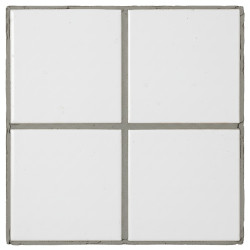
Thoroughly Inspect All Grout Lines: Closely examine grout for cracks, crumbling, discoloration, or missing sections, particularly in high-moisture areas like showers and around fixtures. Note any areas of concern.
Step 2
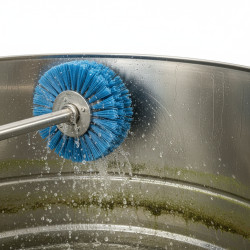
Clean and Prepare the Work Area: Using a grout brush and suitable bathroom cleaner, scrub away dirt, mold, mildew, and grime from the affected grout and surrounding tiles. Rinse thoroughly with clean water and allow the area to dry completely for optimal adhesion.
Step 3
Carefully Remove Damaged Grout: With a grout saw or utility knife, gently scrape out any loose, cracked, or crumbling grout. Aim to create a clean, uniform channel for the new material without damaging adjacent tiles.
Step 4
Prepare Grout or Caulk: If using powdered grout, mix it precisely according to the manufacturer’s instructions. For pre-mixed grout, stir well. For caulk or sealant, prepare the tube by cutting the nozzle tip at a 45-degree angle to match your grout line width.
Step 5
Apply New Grout or Sealant: Press the new grout firmly into the prepared gaps using a putty knife, gloved finger (for small areas), or a grout float (for larger sections). Ensure the material fully fills the voids. For caulk, apply a continuous, even bead.
Step 6
Remove Excess Material: Immediately wipe away any excess grout or caulk from the tile surface with a damp sponge, wiping diagonally across the grout lines to avoid pulling material out of the joints. Rinse your sponge frequently with clean water.
Step 7
Allow for Proper Curing: Consult the product label for specific drying and curing times. Protect the newly applied grout or caulk from water and excessive moisture until it has fully cured to ensure maximum durability and effectiveness. Re-inspect after curing.
Common mistakes
- Not cleaning the old grout sufficiently before applying new material.
- Using incompatible or overly harsh cleaning agents that damage grout.
- Applying new grout over existing loose or damaged grout instead of removing it.
- Not wiping off excess grout promptly, leading to a dried haze on tiles.
- Exposing newly applied grout to water or moisture too soon, which compromises its strength.
- Ignoring small cracks, which can lead to larger issues and water penetration over time.
When to call a professional
- Extensive cracking or crumbling across large areas of your bathroom.
- Visible water leaks or persistent dampness behind walls or under floors.
- Tiles that are loose, shifting, or falling off, indicating deeper structural issues.
- Suspected structural damage behind the tiles or significant subfloor issues.
- Presence of extensive mold or mildew that returns quickly after cleaning, indicating water intrusion.
- You are unsure about the extent of the damage, the correct repair process, or lack the necessary tools/experience.
Want this done properly without the hassle?
Aap DIY try kar sakte hain, lekin agar time nahi ya confidence kam ho, to professional bula lena better hota hai. Galat step se damage ya safety issue ho sakta hai.