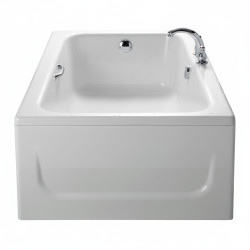
How to do a Basic Bathtub Installation Safety Check and Quick Fixes
Want this done properly without the hassle?
Aap DIY try kar sakte hain, lekin agar time nahi ya confidence kam ho, to professional bula lena better hota hai. Galat step se damage ya safety issue ho sakta hai.
Quick answer (read this first)
- Check for any leaks around the drain, faucet, and overflow plate.
- Verify the bathtub is completely stable, with no wobbling or creaking.
- Inspect the caulk and grout lines for cracks, gaps, or mold growth.
- Ensure the drain flows freely and the stopper functions correctly.
- Address minor issues like loose fixtures or small caulk cracks promptly.
Safety first
- Always turn off the main water supply before attempting any significant repairs or if persistent leaks are detected, to prevent extensive water damage.
- Wear appropriate personal protective equipment, such as gloves and eye protection, especially when handling cleaning agents or sharp tools.
- Ensure the work area is well-ventilated when using chemical cleaners or sealants.
- Never overtighten plumbing connections; this can strip threads or crack pipes.
- If you encounter a major issue or are unsure about a repair, stop immediately and consult a professional to avoid further damage or injury.
Tools you may need
- Flashlight
- Screwdriver set (Phillips and flathead)
- Adjustable wrench
- Plumber’s putty or silicone caulk
- Caulking gun
- Cleaning cloths/rags
- Bucket
- Drain snake (optional, for clogs)
Step-by-step
Step 1
Prepare Your Workspace: Clear the area around the bathtub. Ensure good lighting and gather all necessary tools for easy access.
Step 2
Inspect Tub Edges and Sealing: Carefully examine the caulk or grout where the bathtub meets the wall and floor. Look for cracks, gaps, discoloration, mold, or any signs of water seepage.
Step 3
Check Bathtub Stability: Gently push and rock the bathtub from different angles. It should feel firm and securely installed, with no excessive wobbling, creaking, or movement.
Step 4
Examine Drain and Overflow Plate: Inspect the drain for proper sealing and any signs of standing water or leaks. Check the overflow plate for tightness and ensure it is properly aligned.
Step 5
Test Faucets and Showerhead for Leaks: Turn on the water and thoroughly check the bathtub faucet, showerhead, and diverter for any drips, leaks, or inconsistent water flow.
Step 6
Inspect Accessible Plumbing: If you have an access panel or can safely reach underneath the tub, check visible pipes and connections for leaks, corrosion, or dampness.
Step 7
Address Minor Caulk/Grout Issues: For small cracks or mold, thoroughly clean the affected area. Remove old, damaged caulk and reapply a fresh bead of silicone caulk for a watertight seal.
Step 8
Tighten Loose Fixtures and Connections: Carefully use an adjustable wrench to gently tighten any slightly loose nuts or fittings on faucets, drains, or exposed pipes. Be careful not to overtighten.
Step 9
Clear Minor Drain Clogs: For slow drains, remove the drain stopper and clear any hair or debris. For persistent but minor clogs, use a drain snake or a mild, appropriate drain cleaner, strictly following product instructions.
Common mistakes
- Ignoring small leaks or cracks, which can rapidly escalate into significant water damage and mold growth.
- Using the wrong type of caulk or applying it poorly, leading to ineffective seals and continued water penetration.
- Overtightening plumbing connections, which can strip threads, crack pipes, or damage fixtures.
- Using harsh, corrosive chemicals that can damage pipes, fixtures, or the bathtub’s finish.
- Attempting complex repairs without adequate knowledge or tools, often leading to more expensive problems.
When to call a professional
- If you find significant, persistent leaks under the tub or within walls that are inaccessible for DIY repair.
- When the bathtub is severely unstable, cracked, or shows signs of structural damage.
- For major clogs that cannot be cleared with basic tools and methods, indicating a deeper blockage.
- If you encounter complex pipe repairs, persistent water pressure issues, or major faucet malfunctions.
- When you are unsure about any repair step, especially those involving water lines, structural integrity, or electrical components near water.
Want this done properly without the hassle?
Aap DIY try kar sakte hain, lekin agar time nahi ya confidence kam ho, to professional bula lena better hota hai. Galat step se damage ya safety issue ho sakta hai.