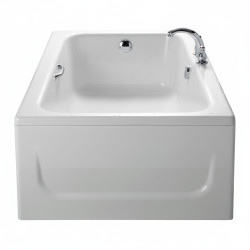
How to Troubleshoot Bathtub Installation Issues at Home
Want this done properly without the hassle?
Aap DIY try kar sakte hain, lekin agar time nahi ya confidence kam ho, to professional bula lena better hota hai. Galat step se damage ya safety issue ho sakta hai.
Quick answer (read this first)
- Identify leaks at seals and pipe junctions.
- Verify the tub’s level and stability.
- Examine drain connections for clogs or loose parts.
- Test water pressure and faucet operation.
Safety first
- Always shut off the main water supply before any plumbing work.
- Wear appropriate personal protective equipment, including gloves and eye protection.
- Never overtighten plumbing connections; this can cause cracks or stripped threads.
- Ensure adequate ventilation when working with chemical sealants or adhesives.
- Follow manufacturer instructions for all tools and materials.
Tools you may need
- Adjustable wrench
- Screwdriver set (Phillips and flathead)
- Plumber’s putty or waterproof silicone sealant
- Flashlight
- Spirit level
- Bucket and rags
- Utility knife (for sealant removal)
Step-by-step
Step 1
Safety First: Shut Off Water Supply. Locate and turn off the main water valve to your bathroom or entire home to prevent any water damage during inspection and repair.
Step 2
Initial Leak Inspection. Thoroughly check all visible pipe connections, faucet bases, and the entire perimeter of the bathtub for any signs of water drips, moisture, or pooling. Use a flashlight to illuminate hidden areas.
Step 3
Examine Drain Assembly for Issues. From underneath the tub (if accessible), inspect the drain assembly. Look for loose nuts, damaged gaskets, or poorly applied plumber’s putty/sealant. Gently tighten any loose fittings by hand or with a wrench, being careful not to overtighten.
Step 4
Check Bathtub Level and Support. Place a spirit level along the rim of the bathtub to verify it is perfectly horizontal. If uneven, check if all support legs or the mortar bed beneath the tub are making solid contact with the floor. Note: Correcting significant leveling issues often requires professional help.
Step 5
Test Faucet and Showerhead Functionality. Restore the water supply. Turn on the bathtub faucets and showerhead to check for proper water flow, consistent temperature, and any new leaks at their connection points to the water lines.
Step 6
Assess Drainage Speed. Partially fill the tub with water and then open the drain. Observe how quickly the water empties. Slow drainage often indicates a partial blockage in the drainpipe or an incorrect slope, preventing efficient water flow.
Step 7
Reseal Tub Edges (If Leaking). If leaks are observed around the tub’s edges where it meets the wall, carefully scrape away all old, deteriorated sealant using a utility knife. Clean the surface thoroughly, then apply a new, continuous bead of waterproof silicone sealant. Allow it to cure fully according to the product’s instructions before using the tub.
Common mistakes
- Neglecting to shut off the main water supply before beginning repairs, risking floods.
- Applying excessive force when tightening plumbing connections, leading to damage or stripped threads.
- Using the wrong type of sealant for bathroom environments or not allowing it adequate curing time.
- Dismissing minor leaks, which can escalate into severe water damage and mold issues.
- Failing to verify and adjust the bathtub’s level during installation, causing instability and drainage problems.
When to call a professional
- When the source of a persistent leak remains elusive or requires extensive dismantling.
- If significant plumbing issues affect water pressure or drainage across your entire home.
- For major drain blockages that household methods or basic tools cannot resolve.
- If the bathtub is physically cracked, severely damaged, or needs complex structural support adjustments.
- If plumbing is inaccessible or hidden behind walls, requiring professional intervention.
- If you lack the specialized tools, expertise, or confidence to safely complete the troubleshooting or repair.
Want this done properly without the hassle?
Aap DIY try kar sakte hain, lekin agar time nahi ya confidence kam ho, to professional bula lena better hota hai. Galat step se damage ya safety issue ho sakta hai.