DIY Blind Installation: Step-by-Step Troubleshooting and When to Call a Professional
Want this done properly without the hassle?
Aap DIY try kar sakte hain, lekin agar time nahi ya confidence kam ho, to professional bula lena better hota hai. Galat step se damage ya safety issue ho sakta hai.
Quick answer (read this first)
- Measure twice, drill once; use wall anchors for plaster walls; call a pro if the window is above two meters or near electrical wiring.
Safety first
- Wear safety goggles when drilling to protect your eyes from dust and debris.
- Use a sturdy step stool or ladder—never stand on chairs, tables, or unstable surfaces.
- Keep children and pets away from the work zone to prevent accidents.
- Never drill into walls without checking for hidden electrical wires, water pipes, or gas lines.
- Turn off power to the room if drilling near outlets or switches, even if you’re unsure.
Tools you may need
- Measuring tape
- Pencil
- Power drill with variable speed
- Wall anchors and screws designed for plaster or brick
- Spirit level
- Screwdriver (Phillips head)
- Step stool or fixed ladder
Step-by-step
Step 1
Measure the window width and height at three points—top, middle, and bottom—for both inside and outside mount options.
Step 2
Mark the exact drill points on the wall using a pencil and level—ensure the marks are perfectly horizontal.
Step 3
Drill pilot holes slightly smaller than your wall anchors, especially on plaster or brick walls.
Step 4
Insert wall anchors into the pilot holes, then secure the blind brackets with screws—tighten until firm but avoid over-torquing.
Step 5
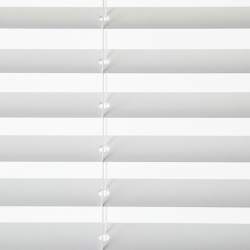
Carefully snap or clip the blind into the mounted brackets following the manufacturer’s instructions.
Step 6
Test the blind by pulling the cord or lifting the mechanism—check for smooth operation and even alignment before finalizing.
Common mistakes
- Measuring only once or not checking multiple points on the window frame, leading to ill-fitting blinds.
- Using standard drywall screws on plaster or brick walls—always use proper wall anchors for secure mounting.
- Skipping the level, resulting in crooked blinds that look unprofessional and may bind during operation.
- Drilling too deep and accidentally hitting hidden electrical wires or water pipes behind the wall.
- Failing to test the blind’s mechanism before fully installing it, which can lead to frustrating repairs later.
- Ignoring the weight of the blind—overloading weak anchors can cause sudden detachment and injury.
When to call a professional
- The window is higher than two meters and you cannot safely reach it with a stable ladder or step stool.
- You suspect or know there are electrical wires, plumbing pipes, or gas lines behind the wall.
- The blind is heavy, motorized, or requires special structural support beyond standard brackets.
- You are unsure about your wall type (plaster, brick, hollow) or which hardware to use.
- The blind arrives damaged, incomplete, or with missing parts that compromise safe installation.
Want this done properly without the hassle?
Aap DIY try kar sakte hain, lekin agar time nahi ya confidence kam ho, to professional bula lena better hota hai. Galat step se damage ya safety issue ho sakta hai.