How to Prevent Common Minor Carpentry Issues and When to Call a Pro

Want this done properly without the hassle?
Aap DIY try kar sakte hain, lekin agar time nahi ya confidence kam ho, to professional bula lena better hota hai. Galat step se damage ya safety issue ho sakta hai.
Quick answer (read this first)
- Regularly inspect wooden items for wear.
- Promptly tighten any loose screws or bolts.
- Lubricate squeaky hinges to restore smooth operation.
- Address minor wood damage like scratches or dents quickly.
- Know your limits and call a professional for complex repairs.
Safety first
- Always wear appropriate personal protective equipment, including safety glasses and gloves, when handling tools or chemicals.
- Ensure your workspace is well-lit and clear of obstructions to prevent accidents.
- Use tools correctly and ensure they are sharp, clean, and in good working condition.
- Never attempt repairs that feel beyond your skill level, especially if they involve significant structural integrity or potentially dangerous situations.
- Keep children and pets away from your work area when performing repairs.
Tools you may need
- Screwdriver set (Philips and flathead)
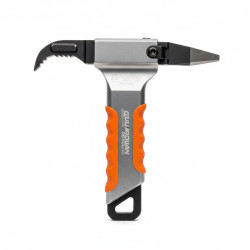
- Hammer
- Pliers
- Lubricating oil (e.g., WD-40)
- Wood glue
- Fine-grit sandpaper
- Cleaning cloths
- Wood filler or polish
- Clamps (optional, for glued joints)
Step-by-step
Step 1
Conduct Regular Inspections: Periodically examine all wooden furniture, doors, and cabinets for loose components, instability, or signs of wear like cracks, scratches, or moisture damage. Pay close attention to joints and moving parts.
Step 2
Tighten Loose Fasteners: For wobbly items like chairs, tables, or cabinet doors, locate any loose screws or bolts. Use the appropriately sized screwdriver or wrench to gently tighten them. Be careful not to overtighten, as this can strip the wood.
Step 3
Silence Squeaky Hinges: Apply a few drops of lubricating oil (such as WD-40 or a silicone spray) directly onto the pins and pivot points of noisy door or cabinet hinges. Open and close the door several times to work the lubricant into the mechanism.
Step 4
Repair Minor Surface Flaws: Address small scratches, dents, or chips by gently sanding the affected area with fine-grit sandpaper. For deeper imperfections, apply wood filler, allow it to dry completely, then sand smooth. Finish by applying a matching wood polish, stain, or clear coat.
Step 5
Re-secure Separated Joints: If a wooden joint, such as on a chair or frame, has come apart, carefully apply wood glue sparingly into the joint. Press the pieces together firmly. If possible, use clamps to hold them securely while the glue dries according to product instructions.
Step 6
Maintain and Clean Wood Surfaces: Regularly dust all wooden surfaces with a soft, dry cloth to prevent grime buildup. For deeper cleaning, use a wood-specific cleaner or polish to remove dirt, protect the finish, and enhance the wood’s natural shine. Avoid harsh chemical cleaners.
Common mistakes
- Over-tightening screws, which can strip the wood or damage the screw head, leading to more significant repair work.
- Using the wrong size or type of tool, increasing the risk of damage to the item or injury to yourself.
- Ignoring minor issues, allowing them to escalate into major structural problems that are more costly and difficult to fix.
- Applying too much glue or polish, resulting in a messy finish or an uneven surface that requires additional effort to correct.
- Using harsh chemical cleaners or abrasive materials that can strip the finish or scratch the wood surface.
- Attempting a repair without understanding the underlying cause of the problem.
When to call a professional
- When faced with major structural damage to furniture, doors, or built-in fixtures that compromises stability or safety.
- For complex repairs requiring specialized tools, extensive woodworking knowledge, or advanced techniques that you don’t possess.
- If you observe extensive wood rot, evidence of termite infestation, or deep, spreading cracks that threaten the integrity of wooden elements.
- When a repair involves valuable antique furniture or sentimental items where a DIY attempt could cause irreversible damage.
- If you lack the necessary tools, confidence, or expertise to perform the repair safely and effectively, or if the task could lead to property damage or personal injury.
Want this done properly without the hassle?
Aap DIY try kar sakte hain, lekin agar time nahi ya confidence kam ho, to professional bula lena better hota hai. Galat step se damage ya safety issue ho sakta hai.