How to do a Basic Ceiling Fan Safety Check and Quick Fixes
Want this done properly without the hassle?
Aap DIY try kar sakte hain, lekin agar time nahi ya confidence kam ho, to professional bula lena better hota hai. Galat step se damage ya safety issue ho sakta hai.
Quick answer (read this first)
- No power? Check main breaker and wall switch.
- Fan wobbly? Tighten all blade and canopy screws.
- Poor airflow? Clean dust from blades and motor vents.
- Fan not spinning? Inspect visible wiring for loose connections (after power off).
Safety first
- ALWAYS turn off power at the main breaker or fuse box for the fan’s circuit BEFORE touching the fan.
- Use a sturdy, stable ladder or stool to reach the fan safely; never use unstable furniture.
- Never attempt electrical repairs if you are uncomfortable, lack basic knowledge, or if wires appear burnt, frayed, or damaged. Call a professional.
- Do not touch bare wires without ensuring power is off and using insulated tools.
- Avoid using metal objects to poke or pry electrical components.
Tools you may need
- Screwdriver set (Phillips and flathead)
- Pliers
- Dust cloth or soft brush
- Sturdy ladder
- Voltage tester (optional, for confirming power is off)
Step-by-step
Step 1
Step 1: Cut the Power. Locate your main electrical panel and switch off the breaker controlling the fan’s circuit. Confirm power is off by attempting to turn the fan on via its wall switch.
Step 2
Step 2: Position Ladder Safely. Place a sturdy, stable ladder directly under the fan. Ensure it is secure and stable before climbing.
Step 3
Step 3: Perform Visual Inspection. Look for loose blades, excessive wobbling, or any visible damage to the fan’s body, ceiling canopy, or mounting.
Step 4
Step 4: Tighten All Accessible Screws. Using appropriate screwdrivers, carefully tighten all screws on the fan blades, motor housing, and the ceiling canopy. Do not overtighten.
Step 5
Step 5: Clean Blades and Vents. Gently wipe down the fan blades and the motor’s exterior. Pay special attention to removing dust from motor vents, as accumulation can cause overheating.
Step 6
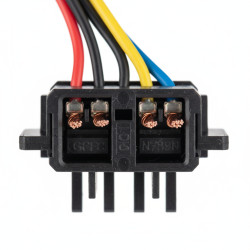
Step 6: Inspect Visible Wiring (If Accessible). If the canopy can be safely lowered, visually inspect the wire nuts connecting the fan to the house wiring. Ensure they are secure and show no signs of burning or fraying. If wires are damaged or you are unsure, STOP and call a professional.
Step 7
Step 7: Test Fan Operation. Once all checks are complete, re-secure the canopy, safely descend the ladder, and restore power at the breaker. Test the fan operation using its wall switch and pull chain.
Common mistakes
- Forgetting to turn off the main power supply before starting work, leading to shock hazards.
- Using a wobbly chair or unstable object instead of a proper, sturdy ladder.
- Over-tightening screws, which can strip threads or damage fan components.
- Ignoring unusual noises, electrical smells, or visible sparks from the fan.
- Attempting to troubleshoot complex internal motor or electrical issues without professional help.
When to call a professional
- If the fan sparks, smokes, or emits a burning smell.
- If the wiring appears burnt, frayed, or is exposed, and you are uncomfortable handling it.
- If the fan hums loudly but does not spin, indicating a potential motor or capacitor failure.
- If you are unsure about any electrical troubleshooting or repair steps, or lack the necessary tools.
- If the problem persists after performing all basic checks and quick fixes.
Want this done properly without the hassle?
Aap DIY try kar sakte hain, lekin agar time nahi ya confidence kam ho, to professional bula lena better hota hai. Galat step se damage ya safety issue ho sakta hai.