How to do a basic Cement Tank Cleaning safety check and quick fixes
Want this done properly without the hassle?
Aap DIY try kar sakte hain, lekin agar time nahi ya confidence kam ho, to professional bula lena better hota hai. Galat step se damage ya safety issue ho sakta hai.
Quick answer (read this first)
- Regularly inspect the tank exterior for cracks or leaks.
- Ensure the tank lid is always securely fastened.
- Address minor external issues promptly to prevent bigger problems.
- Never attempt to enter the water tank yourself.
Safety first
- NEVER enter a water tank; suffocation and drowning are extreme risks.
- Always work with a helper present to assist in emergencies.
- Wear gloves and a mask, especially when dealing with stagnant water or dust.
- Ensure the area around the tank is well-ventilated.
- Do not use electrical tools near water unless absolutely necessary and with professional guidance.
Tools you may need
- Flashlight
- Long stick or pole (for remote inspection, do NOT enter the tank)
- Rubber gloves
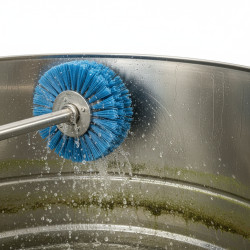
- Stiff brush or scrubber (for exterior)
- Small bucket and sponge
- Waterproof sealing compound (for minor external cracks)
- Basic wrench/screwdriver (for lid fasteners)
Step-by-step
Step 1
Clear the Area: Ensure the tank surroundings are free of debris and obstructions. This allows for safe access and better visibility during inspection.
Step 2
Inspect the Exterior: Carefully examine the tank’s outer walls and base for any visible cracks, seepage, or damp patches. Note any areas of concern.
Step 3
Check the Lid Security: Verify that the tank lid is properly fitted and securely fastened to prevent contaminants, insects, and pests from entering. Tighten or replace loose fasteners.
Step 4
Look for Leakage Signs: Inspect the ground around the tank for any puddles or consistent dampness, which may indicate a leak. Trace any water trails back to their source if possible.
Step 5
Assess Inlet/Outlet Pipes: Examine the connections of pipes entering and leaving the tank for any signs of corrosion, damage, or minor leaks. Gently tighten any visibly loose pipe fittings.
Step 6
Remove Exterior Growth: Gently scrub away any moss, algae, or dirt accumulating on the tank’s exterior or around the lid with a brush and plain water. Maintain a clean exterior.
Step 7
Perform Minor External Patching: For small, hairline cracks on the tank’s exterior, apply a suitable waterproof sealing compound as per product instructions. This is for surface-level issues only.
Common mistakes
- Attempting to enter the water tank for any reason.
- Ignoring small cracks or seepage, allowing them to worsen over time.
- Using harsh, unapproved chemicals for cleaning the exterior without proper safety gear.
- Leaving the tank lid unsecured, leading to water contamination.
- Not regularly checking the tank’s exterior for signs of damage.
When to call a professional
- If you notice large cracks, structural damage, or bulging in the tank walls.
- For persistent leaks that are not resolved by simple external patching.
- If there’s significant internal contamination, foul odors, or changes in water quality.
- For any required internal repairs, deep cleaning, or structural assessments.
- If you are unsure about the cause or solution of a tank problem, especially involving water quality.
Want this done properly without the hassle?
Aap DIY try kar sakte hain, lekin agar time nahi ya confidence kam ho, to professional bula lena better hota hai. Galat step se damage ya safety issue ho sakta hai.