How to Troubleshoot Cement Tank Cleaning Issues at Home
Want this done properly without the hassle?
Aap DIY try kar sakte hain, lekin agar time nahi ya confidence kam ho, to professional bula lena better hota hai. Galat step se damage ya safety issue ho sakta hai.
Quick answer (read this first)
- Begin by thoroughly draining and inspecting the tank to identify the root cause, such as excessive sludge, algae, or structural damage.
- Address specific issues like blockages or small leaks before proceeding with a comprehensive clean.
- Use appropriate cleaning tools and safe methods tailored to the identified problem for effective resolution.
Safety first
- Always disconnect power to any associated water pump or electrical components before beginning.
- Wear protective gear including gloves, eye protection, and a mask if working in dusty or confined areas.
- Ensure adequate ventilation, especially when using any cleaning solutions or agents.
- Never attempt to enter a large or deep water tank alone; confined space entry requires strict safety protocols and assistance.
Tools you may need
- Bucket
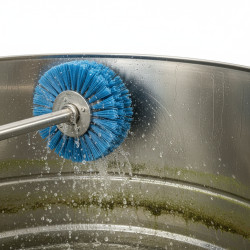
- Stiff brush or scraper
- Flashlight
- Garden hose
- Protective gear (gloves, goggles, mask)
- Non-abrasive cleaning solution (e.g., diluted vinegar, specialized tank cleaner)
- Flexible rod or high-pressure nozzle (for blockages)
Step-by-step
Step 1
Initial Observation and Preparation: Before starting, note any specific issues like slow draining, recurring algae, or foul smell. Close the main water supply valve to the tank and drain all water completely.
Step 2
Thorough Internal Inspection: Using a strong flashlight, meticulously examine the tank’s interior surfaces, floor, and outlet pipe for the source of the trouble. Look for heavy sediment layers, stubborn algae or mold patches, cracks, leaks, or blockages.
Step 3
Identify the Core Problem: Pinpoint whether the primary issue is excessive sludge accumulation, persistent algae growth due to light exposure, mineral scale buildup, a clogged outlet or inlet pipe, or structural damage like cracks allowing seepage.
Step 4
Address Blockages and Initial Buildup: If the issue is a clogged outlet, attempt to dislodge it carefully with a flexible rod or high-pressure hose. For very thick sludge or loose debris, use a scraper or stiff brush to break it up and remove as much as possible manually into a bucket.
Step 5
Targeted Cleaning for Specific Issues: For stubborn algae/mold, use a stiff brush with a mild, non-toxic cleaning solution (e.g., diluted vinegar or a specialized tank cleaner). For hard water scale, a solution of diluted white vinegar can help dissolve deposits. Scrub vigorously.
Step 6
Comprehensive Rinsing and Debris Removal: After targeted cleaning, thoroughly rinse the entire tank interior with a garden hose, directing all loosened debris and cleaning agents towards the drain point until the water runs clear.
Step 7
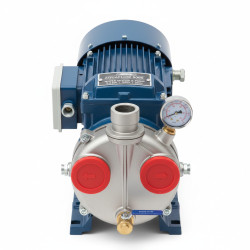
Final Inspection for Leaks and System Check: Once clean and rinsed, perform a final inspection for any missed cracks or residual blockages. Check the functionality of the outlet pipe and ensure the water pump (if applicable) is clear and operational before refilling.
Step 8
Optional Sanitization and Refill: If desired, perform a sanitization rinse with a food-grade disinfectant (e.g., highly diluted bleach solution), leaving it for a short period, then thoroughly draining and rinsing again multiple times before refilling the tank with fresh water for use.
Common mistakes
- Not fully emptying the tank before attempting to clean and inspect.
- Neglecting safety precautions like disconnecting power to the pump or wearing protective gear.
- Using harsh or abrasive chemicals indiscriminately without proper ventilation.
- Ignoring small cracks or seepage points that can lead to bigger leakage issues.
- Failing to check and clear the water pump or outlet pipe for hidden blockages.
When to call a professional
- If structural cracks, significant water leakage, or persistent seepage are present.
- For severe, recurring algae, mold, or bacterial growth that is difficult to remove.
- If you suspect widespread contamination and require professional sanitization and testing.
- When pump issues are complex, involve electrical repairs, or if the pump needs replacement.
- For very large tanks requiring confined space entry procedures or specialized equipment for cleaning.
Want this done properly without the hassle?
Aap DIY try kar sakte hain, lekin agar time nahi ya confidence kam ho, to professional bula lena better hota hai. Galat step se damage ya safety issue ho sakta hai.