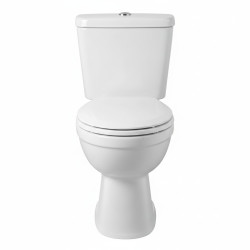
How to do a basic Commode Installation Safety Check and Quick Fixes
Want this done properly without the hassle?
Aap DIY try kar sakte hain, lekin agar time nahi ya confidence kam ho, to professional bula lena better hota hai. Galat step se damage ya safety issue ho sakta hai.
Starting from
Rs. 2800
Quick answer (read this first)
- Check for leaks around the commode’s base and connections.
- Test for stability; the commode should not rock.
- Ensure proper flushing and water refilling cycles.
- Inspect seals and connection points for any visible wear or damage.
Safety first
- Always turn off the commode’s water supply valve before starting any work to prevent flooding.
- Wear waterproof gloves to maintain hygiene and protect your skin during inspections and repairs.
- Avoid overtightening bolts; excessive force can crack the porcelain, leading to costly damage.
- Keep the work area dry and well-lit to prevent slips and falls.
- Do not use harsh chemicals or strong acids, as they can damage porcelain or plumbing components.
Tools you may need
- Adjustable wrench
- Screwdriver (flathead/Phillips)
- Plumber’s putty or silicone sealant
- Sponge and bucket
- Old rags
Step-by-step
Step 1
- Inspect for Visible Leaks: Thoroughly check around the commode’s base, water supply line, and tank for any puddles, dampness, or water stains. Note any suspicious areas.
Step 2
- Test Commode Stability: Gently try to rock the commode from side to side. It should feel solid and not wobble. If it moves, note the degree of instability.
Step 3
- Verify Water Supply & Fill Valve: Ensure the commode’s water supply valve is fully open. Flush the commode and observe if the tank refills at a normal pace. Listen for any continuous running water after refilling, which indicates a potential fill valve issue.
Step 4
- Examine Flush Performance: Flush the commode and watch how efficiently the water clears from the bowl. Ensure the flapper valve (inside the tank) seals completely after the flush to prevent water from constantly trickling into the bowl.
Step 5
- Tighten Mounting Bolts (Fix for Wobble): If the commode is wobbly, carefully tighten the two mounting bolts at the base. Turn them slowly, just until snug, to avoid cracking the porcelain.
Step 6
- Seal Minor Base Leaks (Temporary Fix): If you found minor leaks at the base during inspection, clean the area thoroughly. Apply a thin, even bead of waterproof silicone sealant around the commode’s perimeter where it meets the floor. Allow it to cure completely.
Step 7
- Secure Water Supply Line Connections: Inspect the nuts connecting the water supply line to both the commode tank and the wall. If loose, hand-tighten first, then use an adjustable wrench for a quarter-turn more. Do not overtighten.
Common mistakes
- Overtightening bolts, leading to costly cracks in the commode’s porcelain.
- Ignoring minor leaks, which can escalate into significant water damage, mold growth, and structural issues.
- Using incorrect tools or non-plumbing specific materials for repairs, which can cause further damage.
- Forgetting to shut off the water supply before attempting any fixes, risking a flood.
- Attempting complex repairs without adequate knowledge or confidence, potentially worsening the problem.
When to call a professional
- If persistent leaks at the commode’s base continue after attempting basic tightening and sealing.
- If you discover any cracks in the commode’s porcelain bowl or tank, as these cannot be DIY repaired.
- For major clogs that a plunger or basic auger cannot clear, indicating a deeper obstruction.
- If there are complex issues with the internal tank mechanism (e.g., fill valve, flush valve) that you cannot diagnose or fix.
- When you need to fully remove or replace the commode.
- If you feel uncomfortable or unsure at any point during the repair process, it’s best to call a qualified plumber.
Want this done properly without the hassle?
Aap DIY try kar sakte hain, lekin agar time nahi ya confidence kam ho, to professional bula lena better hota hai. Galat step se damage ya safety issue ho sakta hai.
Starting from
Rs. 2800
100% Money Back Guarantee
If you are not satisfied with the service