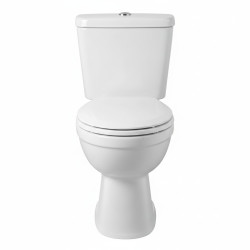
How to Troubleshoot Commode Installation Issues at Home
Want this done properly without the hassle?
Aap DIY try kar sakte hain, lekin agar time nahi ya confidence kam ho, to professional bula lena better hota hai. Galat step se damage ya safety issue ho sakta hai.
Quick answer (read this first)
- Ensure the water supply and shut-off valve are fully open.
- Inspect the flush mechanism for any obstructions or misalignments causing poor flushing.
- Carefully check for leaks around the commode’s base, tank bolts, and water supply line connections.
- Verify the wax ring seal is correctly installed and intact if base leaks are present.
Safety first
- Always shut off the commode’s water supply valve before beginning any troubleshooting or repairs.
- Wear protective gloves and eyewear to ensure hygiene and prevent exposure to dirty water or cleaning agents.
- Exercise caution when handling ceramic components to prevent cracking or breakage, which can cause injury.
- Never overtighten nuts and bolts, as this can damage the commode’s porcelain or plastic fittings and lead to new leaks.
- If using sealants or strong cleaning solutions, ensure the bathroom is well-ventilated.
Tools you may need
- Adjustable wrench
- Screwdriver set (Phillips and flathead)
- Plunger
- Bucket and absorbent towels/rags
- Utility knife or scraper (for removing old caulk or wax)
- New wax ring (specifically a reinforced wax ring with a flange for better sealing, if needed)
- PTFE thread seal tape (Teflon tape) for water supply line connections
- Flashlight (for inspecting hard-to-see areas)
Step-by-step
Step 1
Prepare the Work Area and Shut Off Water: Locate the commode’s shut-off valve, typically behind or beneath the toilet. Turn it clockwise until the water flow completely stops. Place towels around the commode base to catch any spills.
Step 2
Drain the Commode Tank and Bowl: Flush the commode to empty the tank and bowl as much as possible. Use a sponge or small cup to remove any remaining water from the bowl and tank for a dry working environment.
Step 3
Inspect for Visible Leaks from Connections: Carefully check all external connections for signs of water, drips, or dampness. Focus on the water supply line connection to the tank, the tank bolts where the tank attaches to the bowl, and the base of the commode where it meets the floor. Use a flashlight for better visibility.
Step 4
Check Tank Mechanism and Flush Function: Remove the commode tank lid. Observe the flush mechanism. Ensure the flapper valve or fill valve is correctly seated and sealing. Check if the flush chain has the proper slack and isn’t tangled, preventing a full flush or causing a continuous leak into the bowl.
Step 5
Tighten Loose Fasteners and Fittings: Use an adjustable wrench to gently tighten the water supply line nut at the tank. If the tank is wobbly or leaking, carefully tighten the tank bolts (usually two bolts connecting the tank to the bowl), alternating turns to ensure even pressure. Avoid overtightening to prevent cracking porcelain.
Step 6
Address Base Leaks and Wobbling: If there are persistent leaks from the commode’s base, or if the commode wobbles, this often indicates an improperly installed or damaged wax ring, or loose floor bolts. For base leaks, you may need to remove the commode, replace the wax ring, and re-seat it properly. Ensure the floor bolts are securely tightened (without overtightening).
Step 7
Restore Water Supply and Test: Slowly turn the water supply valve counter-clockwise to restore water flow to the commode. Allow the tank to fill completely. Flush the commode several times, observing closely for any new leaks, proper flushing action, and complete sealing of the flapper valve.
Common mistakes
- Overtightening mounting bolts or supply line nuts, which can easily crack the commode’s porcelain or strip threads.
- Neglecting to shut off the water supply valve before attempting any adjustments or repairs, leading to leaks and messes.
- Failing to completely drain the tank and bowl before working, resulting in unnecessary water spills and cleanup.
- Ignoring persistent small drips or slow leaks, which can lead to significant water damage, mold growth, and higher water bills over time.
- Reusing an old, compressed, or damaged wax ring instead of installing a new one when troubleshooting base leaks.
When to call a professional
- If you are unable to identify the source of a persistent leak despite following troubleshooting steps.
- If the commode’s ceramic base, bowl, or tank has visible cracks or significant damage.
- If you detect a persistent sewage odor, which can indicate a serious drain line or wax ring seal failure requiring professional inspection.
- If complex internal tank components (like the fill valve or flush valve) or the main water supply line need replacement, and you lack experience.
- If the commode continues to wobble significantly after re-seating or if you feel uncomfortable or unsafe performing the necessary repairs.
Want this done properly without the hassle?
Aap DIY try kar sakte hain, lekin agar time nahi ya confidence kam ho, to professional bula lena better hota hai. Galat step se damage ya safety issue ho sakta hai.