How to do a basic Curtain Rod Installation safety check and quick fixes

Want this done properly without the hassle?
Aap DIY try kar sakte hain, lekin agar time nahi ya confidence kam ho, to professional bula lena better hota hai. Galat step se damage ya safety issue ho sakta hai.
Quick answer (read this first)
- Inspect curtain rod brackets and screws for looseness.
- Confirm the rod is level and properly secured to the wall.
- Tighten any loose fasteners using the correct screwdriver.
- Ensure curtains slide smoothly without snagging or undue stress on the rod.
Safety first
- Use a stable step stool or ladder; never stand on chairs or unstable objects.
- Avoid overtightening screws to prevent wall damage or stripped screw heads.
- Wear safety glasses to protect your eyes from falling dust or debris.
- For heavy curtains, confirm robust wall anchors are correctly installed and holding.
- STOP if you suspect electrical wiring near drilling areas; immediately call a professional.
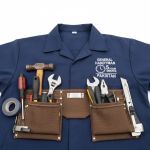
Tools you may need
- Screwdriver set (Phillips and Flathead)
- Spirit level
- Measuring tape
- Pencil
- Wall plugs or anchors (if replacements are needed)
- Small hammer (for installing wall plugs)
- Sturdy step stool or ladder
Step-by-step
Step 1
Gently pull on the curtain rod and its brackets to check for any wobbling or looseness.
Step 2
Visually inspect each bracket for cracks, bends, or signs of wear, ensuring it sits flush against the wall.
Step 3
Locate all screws securing the brackets to the wall and the rod to the brackets; identify any that appear loose.
Step 4
Using the appropriate screwdriver, carefully tighten any loose screws until snug. Do not overtighten.
Step 5
Place a spirit level on the top of the curtain rod to confirm it is perfectly horizontal; adjust if necessary.
Step 6
If brackets remain wobbly after tightening, inspect the wall anchors. They might be failing and need replacement or a stronger type.
Step 7
Slide the curtains back and forth to ensure smooth operation and confirm the rod can support the curtain’s weight without sagging.
Common mistakes
- Ignoring minor wobbles, which can escalate into significant damage over time.
- Using an incorrectly sized screwdriver, leading to stripped screw heads.
- Overtightening screws, causing damage to walls or cracking plaster.
- Failing to use appropriate wall anchors suited for the wall material and curtain weight.
- Skipping the level check, resulting in visibly crooked curtain rods and uneven curtains.
When to call a professional
- If wall anchors consistently fail or pull out, indicating structural issues.
- When existing mounting holes are extensively damaged or too large for simple repair.
- If you suspect electrical wiring or plumbing behind the wall where you need to drill or fix.
- For complex curtain rod installations, such as bay windows, very heavy curtains, or custom setups.
- If you do not have the necessary tools, experience, or confidence to complete the task safely and effectively.
Want this done properly without the hassle?
Aap DIY try kar sakte hain, lekin agar time nahi ya confidence kam ho, to professional bula lena better hota hai. Galat step se damage ya safety issue ho sakta hai.