How to Troubleshoot Door Hinge Replacement Issues at Home
Want this done properly without the hassle?
Aap DIY try kar sakte hain, lekin agar time nahi ya confidence kam ho, to professional bula lena better hota hai. Galat step se damage ya safety issue ho sakta hai.
Quick answer (read this first)
- Tighten all hinge screws, repairing any stripped holes for stability.
- Lubricate stiff or squeaky hinges to restore smooth movement.
- Use shims strategically to correct door sagging or rubbing against the frame.
- Confirm the installed hinges are the correct type and weight for your door if issues persist.
Safety first
- Wear safety glasses to protect your eyes from debris.
- Ensure the door is stable and properly supported to prevent it from falling.
- Use the correct tools for each task to avoid damage to hinges or injury.
- Seek assistance for heavy doors to prevent physical strain or dropping the door.
Tools you may need
- Screwdriver set (Philips and Flathead)
- Pencil
- Measuring tape
- Lubricant spray (e.g., WD-40 or silicone spray)
- Thin shims (cardboard, plastic, or wood veneers)
- Wood filler or toothpicks and wood glue (optional)
Step-by-step
Step 1
Step 1: Conduct an Initial Inspection. Open and close the door slowly, observing its movement and listening for any rubbing, squeaking, or binding. Visually inspect all hinges on both the door and the door frame for any visible gaps, bent leaves, or signs of looseness.
Step 2
Step 2: Check and Tighten All Screws. Using the correct screwdriver (Philips or flathead), firmly check every screw on all hinge leaves attached to both the door and the frame. Tighten any loose screws until snug, being careful not to over-tighten and strip the wood.
Step 3
Step 3: Repair Stripped Screw Holes. If a screw spins freely and won’t tighten, carefully remove it. Fill the stripped hole completely with wood filler, or insert a few wood toothpicks coated with wood glue. Allow it to dry thoroughly, then re-insert the screw into the reinforced hole.
Step 4
Step 4: Lubricate Stiff or Squeaky Hinges. For hinges that are stiff or produce squeaking noises, apply a small amount of lubricant spray directly to the hinge pin and the moving parts. Operate the door back and forth several times to evenly distribute the lubricant and check for smoother, quieter operation.
Step 5
Step 5: Adjust Door Alignment with Shims. If the door rubs against the frame, sags, or doesn’t close properly, identify the problematic hinge. Slightly loosen the screws on the hinge closest to the issue (on either the door or frame side). Carefully insert thin shims (e.g., cut pieces of cardboard or plastic) behind the hinge leaf to push the door into proper alignment. Tighten the screws and test the door movement, adjusting shims as needed.
Step 6
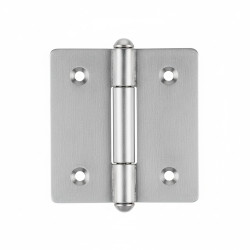
Step 6: Verify Hinge Compatibility and Installation. If problems persist despite adjustments, double-check that the replacement hinges are the correct size, type, and weight rating for your specific door. Improper hinge selection or installation can lead to ongoing issues. Ensure all hinges are flush with the mortises.
Step 7
Step 7: Perform a Final Operational Test. After all troubleshooting and adjustments, open and close the door repeatedly. Ensure it swings freely, latches securely without binding, and shows no signs of sagging or rubbing against the frame. Listen for any new noises and observe movement for consistent operation.
Common mistakes
- Using screws that are too short or too long for the hinge and frame.
- Failing to properly address stripped screw holes, leading to recurring looseness.
- Over-tightening screws, which can strip wood or warp the hinge leaf.
- Using hinges that are not strong enough or are the incorrect type for the door’s weight and design.
- Neglecting to check for proper door level and plumb during hinge installation or troubleshooting.
When to call a professional
- If the door frame itself is significantly damaged, warped, or showing signs of wood rot that you cannot repair.
- When the door remains severely misaligned, binds, or fails to latch correctly after multiple troubleshooting attempts.
- If you encounter extensive damage to the door slab around the hinge mortises.
- For very heavy, expensive, or custom-made doors where improper handling could cause significant damage.
- If you lack the necessary tools, experience, or feel uncomfortable performing complex repairs.
Want this done properly without the hassle?
Aap DIY try kar sakte hain, lekin agar time nahi ya confidence kam ho, to professional bula lena better hota hai. Galat step se damage ya safety issue ho sakta hai.