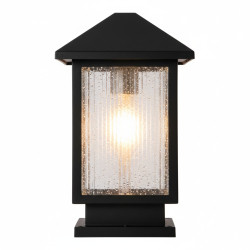
How to Troubleshoot Door Pillar Gate Lights Issues at Home
Want this done properly without the hassle?
Aap DIY try kar sakte hain, lekin agar time nahi ya confidence kam ho, to professional bula lena better hota hai. Galat step se damage ya safety issue ho sakta hai.
Quick answer (read this first)
- Verify power supply and check circuit breakers.
- Examine bulbs or LED modules for damage.
- Inspect all wiring connections for looseness or corrosion.
- Clean or test light sensors (photocells) if present.
Safety first
- Always turn off the main power supply to the lights at the breaker before starting any work.
- Use insulated tools.
- Never touch bare wires.
- Wear safety gloves and glasses.
- Ensure the area is dry to avoid electrical shock.
Tools you may need
- Screwdriver set (Phillips and flathead)
- Voltage tester/multimeter
- Wire strippers/cutters
- New bulbs/LEDs (matching type)
- Electrical tape
- Ladder (if needed)
Step-by-step
Step 1
Prioritize Safety - Disconnect Power: Locate the specific circuit breaker that controls your door pillar or gate lights. Flip the breaker to the ‘OFF’ position and use a voltage tester to confirm that no power is reaching the light fixture. This is critical for preventing electrical shock.
Step 2
Access the Light Fixture: Carefully remove the protective cover, diffuser, or lens from the light fixture. You may need a screwdriver to loosen screws or clips. Set these components aside in a safe place.
Step 3
Inspect and Replace Bulbs/LEDs: Examine the existing bulb or LED module for any visible signs of damage, such as a broken filament, blackening, or burnt spots. Gently twist out any incandescent bulb and replace it with a new bulb of the identical type, wattage, and voltage. For LED modules, check for physical damage; replacement usually involves swapping the entire module if faulty.
Step 4
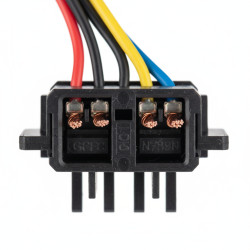
Check Internal Wiring Connections: With the power OFF, carefully inspect all wire connections inside the fixture. Look for loose wires, corrosion on terminals, or any signs of burning or fraying. Gently tighten any loose screws on terminal blocks. If you find corrosion, clean it off carefully. Re-insulate any exposed copper with electrical tape.
Step 5
Examine External Wiring and Junctions: Trace the wires back to their entry point into the fixture and, if accessible, to any external junction boxes. Check these connections for similar issues like looseness, corrosion, or damage. Ensure outdoor junction boxes are properly sealed against moisture.
Step 6
Troubleshoot Light Sensors (Photocells): If your gate lights have an automatic light sensor (photocell), check its functionality. Ensure its surface is clean and free from dirt or obstructions. Briefly cover the sensor to simulate darkness and see if the lights activate (after power is restored in a later step). If the sensor is visibly damaged, it may need replacement.
Step 7
Verify Voltage at Fixture (Advanced): For more advanced troubleshooting, with the power temporarily restored (briefly, then turn off again immediately), use your voltage tester or multimeter to check for voltage at the fixture’s wire terminals. If there’s no voltage, the problem likely lies further upstream in the circuit, such as a tripped breaker or faulty wiring in the wall. (If no voltage, it’s best to call a professional).
Step 8
Check the Circuit Breaker and Fuses: Return to your main electrical panel. Ensure the circuit breaker for your gate lights is in the ‘ON’ position. If it was tripped, try resetting it once. If it immediately trips again, this indicates a short circuit, and you should not proceed without professional help.
Step 9
Reassemble and Final Test: Once all inspections and repairs are complete, carefully reassemble the light fixture, ensuring all covers and seals are properly secured to protect against weather. Turn the main power back on at the circuit breaker. Observe if the lights are now functioning correctly.
Common mistakes
- Failing to cut off the main power supply before beginning any work, risking electrical shock.
- Using light bulbs or LED replacements that do not match the fixture’s specifications (voltage, wattage, base type).
- Overlooking loose, corroded, or frayed wiring connections, which can cause intermittent light failure or hazards.
- Neglecting to inspect the circuit breaker and main power supply as the first troubleshooting step.
- Ignoring clear signs of water ingress, rust, or physical damage to the fixture itself.
- Not properly sealing the fixture after repair, leading to future water damage.
When to call a professional
- The circuit breaker repeatedly trips immediately after being reset.
- You notice burning smells, smoke, or visible scorch marks around the light fixture or electrical panel.
- Wires appear extensively damaged, melted, or have compromised insulation.
- You are uncomfortable performing electrical work or are unsure about any step.
- After following all troubleshooting steps, the lights still do not work.
- The problem involves the main household wiring, underground cabling, or requires advanced electrical diagnostics.
- You suspect a fault with a major component like a transformer or integrated LED driver that is not easily replaceable.
Want this done properly without the hassle?
Aap DIY try kar sakte hain, lekin agar time nahi ya confidence kam ho, to professional bula lena better hota hai. Galat step se damage ya safety issue ho sakta hai.