How to Safely Troubleshoot and Fix Your Doorbell
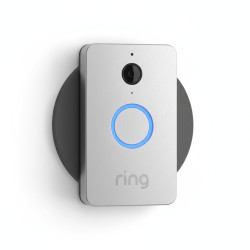
Want this done properly without the hassle?
Aap DIY try kar sakte hain, lekin agar time nahi ya confidence kam ho, to professional bula lena better hota hai. Galat step se damage ya safety issue ho sakta hai.
Quick answer (read this first)
- Always turn off power at the main breaker first.
- Inspect the doorbell button for debris or damage.
- Check the chime unit for loose wires and dust.
- Examine the transformer for signs of overheating.
- Tighten all visible wire connections.
Safety first
- ALWAYS turn off power to the doorbell circuit at your home’s main breaker BEFORE inspecting or touching any components.
- Use insulated tools to prevent electric shock.
- Never touch bare electrical wires with wet hands or while standing in water.
- Do not bypass any existing safety features or attempt repairs beyond your comfort level.
- If you encounter frayed wires, burning smells, or feel unsure at any point, stop immediately and call a qualified electrician.
Tools you may need
- Screwdriver set (Phillips and flathead)
- Non-contact voltage tester (recommended)
- Insulated gloves
- Cleaning cloth or brush
- Electrical tape (optional, for securing minor insulation issues)
- Multimeter (optional, for advanced voltage testing)
Step-by-step
Step 1
Step 1: Prioritize Safety - Turn Off Power. Locate your home’s main electrical panel and switch off the circuit breaker that controls your doorbell. Verify power is off using a non-contact voltage tester.
Step 2
Step 2: Inspect the Doorbell Button. Carefully remove the doorbell button cover. Look for accumulated dirt, insect nests, corrosion on terminals, or loose wires. Gently clean any debris and ensure wires are securely attached.
Step 3
Step 3: Examine the Chime Unit. Open the cover of your indoor chime unit. Check for dust, spider webs, or foreign objects obstructing the plungers. Verify that all wires are firmly connected to their terminals without any fraying.
Step 4
Step 4: Locate and Assess the Transformer. The doorbell transformer is often found near the main electrical panel, in a closet, or basement. Visually inspect it for signs of damage, such as discoloration, bulging, or a burning smell. Ensure its connections are tight.
Step 5
Step 5: Tighten All Wire Connections. Systematically go back to the doorbell button, chime unit, and transformer. Using your screwdriver, gently tighten all visible screw terminals where wires are connected. Avoid over-tightening.
Step 6
Step 6: Restore Power and Test Functionality. Once all inspections and minor adjustments are complete, return to your main breaker and switch the power back on. Press the doorbell button several times to check if the chime now sounds correctly.
Step 7
Step 7: Basic Voltage Check (Optional). If the doorbell still doesn’t work and you have a multimeter, you can carefully check for voltage at the transformer’s output terminals and the chime unit’s input terminals while power is ON. This confirms if electricity is reaching these components.
Common mistakes
- Forgetting to switch off the main power breaker before starting work.
- Ignoring minor corrosion on terminals or loose wire connections.
- Attempting to force or bypass doorbell components that are stuck or damaged.
- Failing to clean debris from the doorbell button or chime unit.
- Assuming the transformer is always working without checking for signs of damage.
When to call a professional
- If you detect any burning smells, observe smoke, or see visible electrical arcing.
- If, after performing all basic checks, no power is detected at the transformer or chime unit.
- When wires are extensively frayed, broken, or require complex re-wiring.
- If the issue persists despite following all troubleshooting steps.
- Anytime you feel uncomfortable or uncertain about working with your home’s electrical system.
Want this done properly without the hassle?
Aap DIY try kar sakte hain, lekin agar time nahi ya confidence kam ho, to professional bula lena better hota hai. Galat step se damage ya safety issue ho sakta hai.