How to Prevent Common Emergency Electrician Problems
Want this done properly without the hassle?
Aap DIY try kar sakte hain, lekin agar time nahi ya confidence kam ho, to professional bula lena better hota hai. Galat step se damage ya safety issue ho sakta hai.
Quick answer (read this first)
- Regularly inspect electrical cords and outlets for damage.
- Avoid overloading power outlets and extension cords.
- Always use the correct wattage bulbs and appliance fuses.
- Ensure your home has proper grounding and earthing.
- Familiarize yourself with your main circuit breaker for quick power cutoff.
Safety first
- Always turn off power at the main breaker before inspecting any electrical issue.
- Never touch bare wires or damaged electrical components.
- Use insulated tools when working near electrical connections.
- Do not work with wet hands or while standing in water.
- Wear rubber-soled shoes for insulation during any electrical checks.
Tools you may need
- Voltage tester/multimeter
- Screwdriver set (with insulated handles)
- Electrical tape
- Flashlight
- Pliers
Step-by-step
Step 1
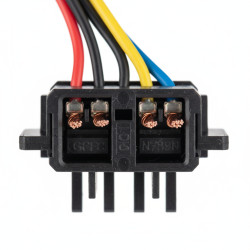
Conduct Regular Visual Inspections: Periodically check all power cords, extension leads, and appliance wires for fraying, cracks, or exposed copper. Ensure plugs fit snugly into outlets without wobbling or visible damage.
Step 2
Prevent Circuit Overload: Avoid plugging too many high-wattage appliances (like heaters, irons, or microwaves) into a single outlet or circuit. Distribute electrical loads evenly across different circuits to prevent tripping breakers and potential fire hazards.
Step 3
Use Correct Wattage & Fuses: Always use light bulbs and fuses that match the recommended wattage and amperage for your fixtures and fuse box. Using higher-rated items can cause overheating, damage circuits, or lead to fire.
Step 4
Ensure Proper Earthing and Grounding: Verify that your home’s electrical system has effective earthing (grounding). This essential safety feature protects against electric shocks and equipment damage by safely diverting fault currents.
Step 5
Maintain Appliances & Fixtures: Regularly clean appliances to prevent dust buildup, which can cause overheating. Promptly repair or replace any malfunctioning appliances, loose switches, or flickering light fixtures to prevent escalation into emergencies.
Step 6
Understand Your Electrical Panel: Familiarize yourself with your main circuit breaker or fuse box. Know which breakers control which areas of your home and how to safely turn off the main power supply in an emergency or for minor maintenance.
Common mistakes
- Ignoring flickering lights, buzzing sounds, or burning smells from outlets.
- Overloading extension cords and multi-plugs with too many devices.
- Using incorrect fuse amperage, which can lead to fire hazards.
- Attempting complex electrical repairs without proper knowledge or tools.
- Not turning off the main power supply before working on any electrical component.
When to call a professional
- If circuit breakers trip repeatedly after basic troubleshooting.
- If you notice a burning smell, smoke, or sparks from outlets or the electrical panel.
- If there’s persistent power loss in an area despite basic checks.
- For any complex wiring issues, new installations, or significant repairs.
- If you hear constant humming or buzzing sounds from your electrical panel.
- If you are unsure, uncomfortable, or lack the proper tools for any electrical task.
Want this done properly without the hassle?
Aap DIY try kar sakte hain, lekin agar time nahi ya confidence kam ho, to professional bula lena better hota hai. Galat step se damage ya safety issue ho sakta hai.