How to Troubleshoot EV Charger Installation Issues at Home
Want this done properly without the hassle?
Aap DIY try kar sakte hain, lekin agar time nahi ya confidence kam ho, to professional bula lena better hota hai. Galat step se damage ya safety issue ho sakta hai.
Quick answer (read this first)
- Verify the dedicated circuit breaker hasn’t tripped.
- Examine all cable connections for looseness or damage.
- Check for visible damage, discoloration, or burning smells near the charger.
- Consult your charger manual for diagnostic error codes.
Safety first
- Always turn off the main circuit breaker before inspecting electrical components.
- Never touch bare wires or damaged electrical parts.
- Use insulated tools if you must touch any wiring.
- Do not attempt repairs beyond your knowledge; call a professional electrician.
Tools you may need
- Insulated screwdriver set
- Flashlight
- EV charger’s user manual
Step-by-step
Step 1
Prioritize Safety & Power Off: Before any inspection, immediately turn off the main electrical panel’s circuit breaker supplying power to your entire home or, at minimum, the dedicated breaker for your EV charger.
Step 2
Inspect Dedicated Circuit Breaker: Locate the circuit breaker specifically for your EV charger. Ensure it is firmly in the ‘ON’ position and hasn’t tripped to ‘OFF’ or a middle position. Reset if necessary.
Step 3
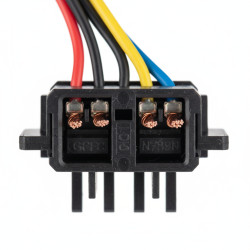
Examine Charger Unit & Connections: With power off, visually inspect the EV charger unit itself. Look for any loose wiring, damaged casing, or improper connections where the charger connects to your home’s electrical wiring.
Step 4
Check for Overheating Signs: Carefully look for any discoloration, melting plastic, or a burning smell around the charger, its wall mounting, or the electrical panel. These indicate severe electrical issues.
Step 5
Verify Charging Cable Integrity: Inspect the charging cable for any cuts, fraying, kinks, or damage to the connectors at both ends. Ensure it’s securely plugged into your EV and the charger unit.
Step 6
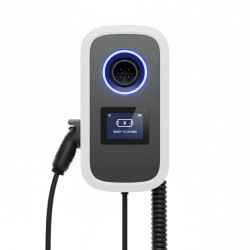
Consult Charger Manual & Error Codes: Refer to your EV charger’s user manual. Identify any indicator lights or error codes displayed on the unit and cross-reference them with the manual’s troubleshooting section.
Step 7
Confirm Vehicle Settings & Compatibility: Ensure your vehicle’s charging settings are correctly configured for your home charger. Rule out any compatibility issues between your EV and the charger model.
Common mistakes
- Neglecting to turn off power at the main breaker before inspection, risking electric shock.
- Overlooking or misinterpreting error codes displayed on the EV charger unit.
- Failing to thoroughly inspect all cable and wiring connections for looseness or damage.
- Attempting repairs or modifications without consulting the EV charger’s official user manual.
- Ignoring signs of overheating, such as burning smells or discolored outlets.
When to call a professional
- If the circuit breaker repeatedly trips after resetting.
- You observe exposed or frayed wires, or burning smells.
- The charger displays persistent error codes you cannot resolve.
- You are unsure about any electrical inspection or repair step.
- The issue involves the main electrical panel or house wiring.
Want this done properly without the hassle?
Aap DIY try kar sakte hain, lekin agar time nahi ya confidence kam ho, to professional bula lena better hota hai. Galat step se damage ya safety issue ho sakta hai.