How to Troubleshoot Exhaust Fan Installation Issues at Home
Want this done properly without the hassle?
Aap DIY try kar sakte hain, lekin agar time nahi ya confidence kam ho, to professional bula lena better hota hai. Galat step se damage ya safety issue ho sakta hai.
Quick answer (read this first)
- Always disconnect power at the circuit breaker before any inspection or repair.
- Verify secure wiring, correct fan direction, and clear blade rotation.
- Check for loose mounting or obstructed venting if noise or airflow issues persist.
Safety first
- Prioritize safety: Always turn off the main circuit breaker to the exhaust fan before starting any work.
- Use insulated tools and avoid touching bare wires when power is on.
- If you are unsure or uncomfortable with electrical tasks, immediately stop and call a professional.
- Wear safety glasses to protect against debris.
Tools you may need
- Screwdriver set (Phillips and Flathead)
- Multimeter or electrical test pen
- Pliers
- Electrical tape
- Ladder (if fan is high up)
- Work gloves
Step-by-step
Step 1
Step 1: Cut Power Safely. Locate the main circuit breaker controlling your exhaust fan and switch it off completely. Confirm power is off using a voltage tester before proceeding.
Step 2
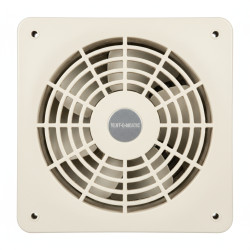
Step 2: Inspect Mounting & Stability. Carefully remove the fan cover. Check if the fan unit is securely fastened to the ceiling or wall. Loose screws or improper seating can cause excessive noise or vibration post-installation. Tighten any loose fasteners.
Step 3
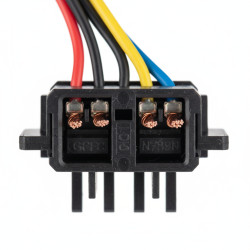
Step 3: Examine Wiring Connections. With the power still off, visually inspect all wiring connections at the fan unit itself and, if accessible, at the wall switch. Look for any loose, exposed, or incorrectly joined wires that might have occurred during installation. Re-secure any loose connections using pliers.
Step 4
Step 4: Verify Fan Blade Clearance & Direction. Manually spin the fan blades to ensure they rotate freely without hitting any part of the housing or being obstructed by debris left from installation. Briefly restore power (with caution) to observe the fan’s rotation. It should pull air out of the room. If it pushes air in, the wiring is reversed. Cut power again after testing.
Step 5
Step 5: Check Venting Pathway for Obstructions. Ensure the exhaust duct connected to the fan is properly attached and free from kinks, blockages, or debris. A blocked or detached vent can severely restrict airflow and lead to poor performance. Verify the exterior vent cap is clear and operational.
Step 6
Step 6: Test Wall Switch and Circuit. If the fan doesn’t run or runs intermittently after confirming other steps, and only if you are comfortable and safe, use a multimeter to check for continuity at the wall switch or verify power at the fan’s terminal if no other issues are found.
Common mistakes
- Forgetting to turn off the main circuit breaker before starting any inspection or repair.
- Incorrectly wiring the fan, causing it to spin in the wrong direction (pushing air in instead of pulling out) or not at all.
- Improperly securing the fan unit during installation, leading to excessive vibration, noise, or eventual detachment.
- Failing to clear debris (e.g., plaster, screws, dust) from the fan blades or vent duct during installation.
- Overlooking a crimped, disconnected, or blocked exhaust vent pipe, which prevents proper airflow even if the fan runs.
- Assuming the fan is faulty without first verifying the functionality of the wall switch or power supply connections.
When to call a professional
- If you detect a burning smell or see sparks from the fan or switch.
- When troubleshooting electrical issues beyond basic wiring checks, such as breaker trips or wiring inside the wall.
- If the fan motor is making unusual grinding noises that indicate internal damage.
- When you are unsure about any step or feel unsafe performing the repair, especially with electrical components.
- If the problem persists after following all troubleshooting steps, indicating a more complex issue.
Want this done properly without the hassle?
Aap DIY try kar sakte hain, lekin agar time nahi ya confidence kam ho, to professional bula lena better hota hai. Galat step se damage ya safety issue ho sakta hai.