How to do a basic Fan Dimmer Regulator Safety Check and Quick Fixes
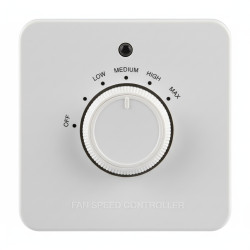
Want this done properly without the hassle?
Aap DIY try kar sakte hain, lekin agar time nahi ya confidence kam ho, to professional bula lena better hota hai. Galat step se damage ya safety issue ho sakta hai.
Starting from
Rs. 600
Quick answer (read this first)
- Always turn off power at the main breaker before any work.
- Inspect for loose connections, frayed wires, or burnt marks.
- Ensure your dimmer regulator is compatible with your fan type.
- Replace faulty or visibly damaged regulators promptly for safety.
Safety first
- Always turn off the main circuit breaker to the fan’s power supply before touching any electrical component.
- Use only insulated tools to prevent electric shock.
- Never work on wet surfaces or with wet hands.
- If you are unsure about any step or encounter significant wiring issues, immediately call a certified electrician.
- Never bypass safety features or overload electrical circuits.
Tools you may need
- Screwdriver (Phillips and flathead)
- Voltage tester or non-contact voltage detector
- Insulated electrical tape
- Pliers
- New compatible fan dimmer regulator (if replacement is necessary)
Step-by-step
Step 1
- Power Down Safely: Locate your home’s main circuit breaker and switch off the power to the room containing the fan dimmer. Use a voltage tester to confirm that the power is completely off at the dimmer switch.
Step 2
- Remove Cover Plate & Visual Inspection: Carefully remove the dimmer’s cover plate. Look for any immediate signs of damage such as burnt marks, melted plastic, or frayed wires around the dimmer unit or within the wall box.
Step 3
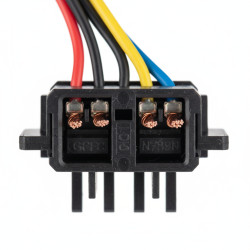
- Check Wire Connections: Gently tug on each wire connected to the dimmer to ensure they are secure. Loose connections are a common cause of flickering, buzzing, or intermittent fan operation.
Step 4
- Re-secure Loose Wires: If any wires feel loose, ensure power is off again, then carefully disconnect them. Strip a small amount of insulation if needed, then re-insert and tighten them firmly into the dimmer terminals. Loose wires can lead to arcing or overheating.
Step 5
- Test Dimmer Operation (Carefully): After re-checking all connections and ensuring no exposed wires, briefly and cautiously restore power at the main breaker. Test the dimmer’s full speed range. Immediately switch power off if you observe sparks, smoke, or unusual buzzing.
Step 6
- Tighten Mounting Screws: Ensure the dimmer switch is firmly secured within the wall box. Loose mounting can sometimes lead to poor contact, buzzing sounds, or the dimmer unit shifting.
Step 7
- Evaluate for Replacement: If issues like persistent buzzing, flickering, or no response continue after these checks and quick fixes, or if the dimmer unit itself shows signs of internal damage, it is likely faulty and should be replaced. Ensure any new regulator is compatible with your fan motor type.
Common mistakes
- Forgetting to turn off the main power, which poses a serious risk of electric shock.
- Using a dimmer regulator that is not compatible with your fan type or motor, leading to damage or malfunction.
- Leaving wire connections loose, which can cause arcing, overheating, and potential fire hazards.
- Ignoring warning signs like persistent buzzing sounds or flickering lights, which indicate underlying electrical issues.
- Over-tightening mounting or terminal screws, potentially damaging the dimmer unit or wiring insulation.
When to call a professional
- If you detect burnt smells, smoke, or signs of charring from the dimmer or wall switch.
- If the main circuit breaker repeatedly trips even after performing basic checks on the dimmer.
- If you discover significant wiring damage (e.g., melted insulation, deeply cut wires) beyond simple loose connections.
- If you are uncomfortable performing any of the diagnostic or repair steps, or lack the necessary insulated tools.
- If the fan or dimmer causes electric shocks, persistent sparking, or unusual heating.
- For any new fan dimmer regulator installation, complex wiring changes, or if issues persist after attempting these quick fixes.
Want this done properly without the hassle?
Aap DIY try kar sakte hain, lekin agar time nahi ya confidence kam ho, to professional bula lena better hota hai. Galat step se damage ya safety issue ho sakta hai.
Starting from
Rs. 600
100% Money Back Guarantee
If you are not satisfied with the service