Fan Stops Randomly After a Few Minutes
Want this done properly without the hassle?
Aap DIY try kar sakte hain, lekin agar time nahi ya confidence kam ho, to professional bula lena better hota hai. Galat step se damage ya safety issue ho sakta hai.
Starting from
Rs. 500
Quick answer (read this first)
- Check the fan’s speed regulator (dimmer) for faults or loose connections.
- Inspect wiring at both the regulator and the fan unit for secure connections.
- Examine the fan capacitor for visible signs of damage or failure.
- Verify proper electrical supply to the fan circuit.
Safety first
- Always turn off the main circuit breaker controlling the fan before any inspection or work.
- Use a non-contact voltage tester to confirm that power is completely off before touching any wires.
- Never attempt to work on live electrical wires.
- Ensure your hands and surroundings are completely dry to prevent electrocution.
- Consider wearing insulated gloves and safety glasses for added protection.
Tools you may need
- Screwdriver set (Phillips and flathead)
- Non-contact voltage tester
- Pliers (needle-nose recommended)
- Electrical insulation tape
- Step ladder or sturdy stool
- Multimeter (optional, for advanced diagnostics)
Step-by-step
- Disconnect Power Safely: Locate your home’s main circuit breaker and switch off the power supply to the room or specific circuit where the fan is installed. VERIFY with a voltage tester that power is completely off at the fan switch.
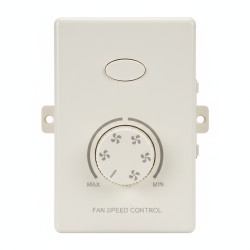
- Inspect the Fan Regulator/Dimmer: Carefully remove the cover plate of the fan speed regulator on the wall. Look for any visible signs of damage, such as burnt spots, melted plastic, or an unusual smell.
- Check Regulator Wiring: With power confirmed OFF, gently wiggle the wires connected to the regulator. If any are loose, carefully tighten the screw terminals. Loose connections are a common cause of intermittent operation.
- Evaluate Regulator Condition: If the regulator shows clear signs of damage or if tightening wires doesn’t resolve the issue, it likely needs replacement. This is a common failure point for fans stopping randomly.
- Examine Fan Unit Wiring (Ceiling Fan): If the issue persists, access the wiring connections inside the fan’s canopy (the cover near the ceiling). Ensure all wire nuts are secure and there are no loose or corroded connections. Always confirm power is off before touching these wires.
- Inspect the Fan Capacitor: Locate the fan’s capacitor (a cylindrical component, often white or black). Look for any bulging, leaking fluid, or scorch marks. A failing capacitor can cause a fan to start slowly, run intermittently, or stop altogether.
- Test and Observe: After checking and securing connections (and if you’ve replaced a faulty regulator yourself), restore power at the circuit breaker and test the fan. If the fan still stops randomly, further diagnosis is required.
Common mistakes
- Failing to double-check that the power is off before starting any work.
- Ignoring the fan regulator as a potential primary cause of intermittent operation.
- Attempting to force or bypass a circuit breaker instead of diagnosing the underlying fault.
- Underestimating the importance of secure wiring connections at both the switch and the fan unit.
- Attempting to replace a capacitor or deal with internal motor wiring without proper electrical knowledge or tools.
When to call a professional
- If you are uncomfortable at any point with electrical work or unsure about any diagnostic step.
- If the fan continues to stop randomly after you’ve checked and secured the regulator and external wiring.
- If you identify a faulty fan capacitor that needs replacement, as this can be complex and requires specific electrical knowledge.
- If you suspect the issue lies within the fan’s motor or complex internal electrical wiring.
- If your circuit breaker frequently trips when the fan is in use, indicating a potentially serious electrical fault.
- For any new electrical installations, major wiring repairs, or if you detect burning smells from the fan or switch.
Want this done properly without the hassle?
Aap DIY try kar sakte hain, lekin agar time nahi ya confidence kam ho, to professional bula lena better hota hai. Galat step se damage ya safety issue ho sakta hai.
Starting from
Rs. 500
100% Money Back Guarantee
If you are not satisfied with the service