How to Prevent Common Full House Move In Clean Problems

Want this done properly without the hassle?
Aap DIY try kar sakte hain, lekin agar time nahi ya confidence kam ho, to professional bula lena better hota hai. Galat step se damage ya safety issue ho sakta hai.
Quick answer (read this first)
- Remove all trash and declutter thoroughly before starting any deep cleaning.
- Always clean from top to bottom to prevent dust and debris from falling onto already-cleaned surfaces.
- Address often-overlooked areas like inside cabinets, light fixtures, and appliance interiors.
- Utilize the correct cleaning solutions for each surface to avoid damage or ineffective results.
- Ensure all surfaces are dry before a final inspection and before moving furniture to prevent mildew or slips.
Safety first
- Wear appropriate personal protective equipment (PPE) like gloves and eye protection, especially when handling harsh chemicals.
- Ensure adequate ventilation by opening windows and doors. Avoid inhaling cleaning product fumes, which can be harmful.
- Never combine different cleaning chemicals unless the manufacturer’s instructions explicitly permit it, as this can create dangerous gases.
- Store all cleaning products securely out of reach of children and pets to prevent accidental ingestion or exposure.
- Exercise extreme caution on wet floors to prevent slips, falls, and potential injuries. Use ‘wet floor’ signs if available.
Tools you may need
- Protective gloves and eye protection
- Broom, dustpan, and vacuum cleaner
- Mop and two buckets (one for clean, one for dirty water)
- Microfiber cloths, sponges, and scrub brushes
- All-purpose cleaner, disinfectant spray, and glass cleaner
- Heavy-duty degreaser (for kitchen grease)
- Toilet brush and specialized bowl cleaner
- Squeegee (for streak-free windows)
- Trash bags
Step-by-step
Step 1
Clear Out and Prepare: Conduct a thorough walkthrough to remove all trash, debris, and unwanted items. Ensure the space is empty for optimal cleaning access and surface preparation.
Step 2
Dust High to Low: Begin by dusting from the highest points, including ceiling fans, light fixtures, tops of cabinets, and window ledges. This prevents dust from settling on already-cleaned lower surfaces.
Step 3
Vacuum and Sweep Thoroughly: After dusting, vacuum all carpets and sweep hard floors to collect loose dirt, dust, and any fallen debris. Pay special attention to corners, edges, and under potential furniture spots.
Step 4
Deep Clean Kitchens and Bathrooms: Focus on these high-traffic areas first. Deep clean inside and outside of all cabinets, drawers, countertops, sinks, toilets, showers, and bathtubs, using appropriate degreasers and disinfectants.
Step 5
Wipe All Surfaces and Walls: Clean all reachable walls, doors, doorframes, and baseboards to remove smudges, fingerprints, and grime. Don’t forget to wipe down light switches and electrical outlets for hygiene.
Step 6
Clean Windows, Mirrors, and Glass: Achieve streak-free results by cleaning all windows, mirrors, and other glass surfaces. Use a squeegee for large windows for a professional finish.
Step 7
Sanitize Appliances and Fixtures: Thoroughly clean and sanitize major appliances (inside and out), faucets, and door handles. Disinfect these high-touch points to eliminate germs and ensure hygiene.
Step 8
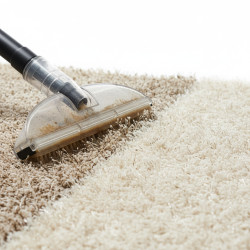
Final Floor Cleaning: Mop all hard floors, using clean water and a suitable solution. Change mop water frequently to avoid spreading dirt. For carpets, spot clean or consider a professional deep clean if heavily soiled.
Step 9
Perform Final Inspection and Air Out: After all surfaces are dry, conduct a meticulous final inspection for any missed spots or streaks. Open windows and doors to thoroughly ventilate the entire house, ensuring fresh air before move-in.
Common mistakes
- Cleaning floors before dusting high surfaces, leading to dust settling on newly cleaned floors and requiring re-cleaning.
- Using dirty or the same cleaning cloths across different rooms, which spreads grime and germs rather than effectively removing them.
- Mixing incompatible cleaning chemicals, which can create toxic fumes or reduce cleaning effectiveness, posing a serious health risk.
- Failing to ventilate the space properly, resulting in poor air quality and potential health hazards from chemical fumes accumulation.
- Overlooking hidden areas like inside cabinets, drawers, behind appliances, or under sinks, where dirt, dust, and pests can linger.
- Not allowing cleaning solutions enough ‘dwell time’ to effectively disinfect or break down grime, leading to ineffective cleaning results.
- Using abrasive cleaners or scourers on delicate surfaces, causing scratches, discoloration, or irreparable damage to finishes.
When to call a professional
- Extensive Mold or Mildew: If you encounter widespread mold growth, especially if it covers large areas or has a strong musty smell, it’s safer and more effective to call a professional mold remediation service.
- Pest Infestations: Discovering signs of pests like rodents, cockroaches, or bed bugs requires immediate professional pest control to ensure complete eradication before moving in.
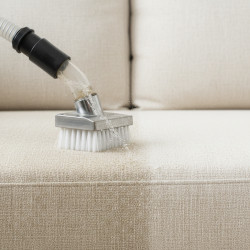
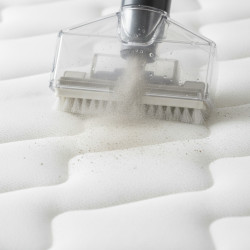
- Deep or Stubborn Stains: For persistent, set-in stains on carpets, upholstery, or hard surfaces that don’t respond to standard cleaning, a professional cleaning service with specialized equipment and solutions can achieve better results.
- Hazardous Materials: If you find unknown chemical spills, asbestos-containing materials (common in older homes), or other hazardous waste, do not attempt to clean it yourself. Contact specialists for safe removal.
- Major Structural Issues: While cleaning, if you notice significant cracks, active water leaks, or exposed, faulty electrical wiring, stop immediately and consult relevant professionals (electrician, plumber, contractor).
- Lack of Time or Equipment: If your schedule is too tight, or you don’t have access to the necessary heavy-duty cleaning equipment (e.g., carpet extractors, pressure washers), hiring a professional move-in cleaning service can save you effort and ensure a superior clean.
- Hoarding or Extreme Filth: In cases of extreme dirt, heavy grime, or properties with signs of hoarding, professional biohazard or specialized deep cleaning services are often required for health and safety.
Want this done properly without the hassle?
Aap DIY try kar sakte hain, lekin agar time nahi ya confidence kam ho, to professional bula lena better hota hai. Galat step se damage ya safety issue ho sakta hai.