How to Troubleshoot Common Gas Geyser Problems at Home
Want this done properly without the hassle?
Aap DIY try kar sakte hain, lekin agar time nahi ya confidence kam ho, to professional bula lena better hota hai. Galat step se damage ya safety issue ho sakta hai.
Quick answer (read this first)
- Confirm gas availability and pressure to the geyser.
- Check if the pilot light is lit or the electronic ignition is sparking.
- Inspect and clean the geyser’s burner assembly and exhaust vents.
- Verify proper water supply and pressure flowing to the unit.
- Ensure the thermostat settings are correctly adjusted.
- Look for any visible gas or water leaks around connections.
Safety first
- Always ensure the area is well-ventilated to prevent any gas accumulation.
- Crucially, turn off the main gas supply to the geyser before any inspection or work.
- If you smell gas, do NOT proceed with troubleshooting. Immediately evacuate the premises and call emergency gas services.
- Never attempt to repair electrical components beyond checking basic plug connections. Electricity and gas are a dangerous combination.
- Wear protective gloves when handling dirty or potentially sharp components.
- Do not force stubborn parts or connections; this can cause further damage or leaks.
Tools you may need
- Screwdriver set (Philips and flathead)
- Wrench
- Cleaning brush/old toothbrush
- Flashlight
- Soap water (for gas leak detection)
Step-by-step
Step 1
Verify Gas Supply & Pressure: Confirm your home’s main gas valve is open and other gas appliances (like a stove) are working. Check the geyser’s specific gas valve is also fully open. Low gas pressure can prevent ignition.
Step 2
Inspect Pilot Light or Ignition System: For geysers with a pilot light, check if it’s lit. If not, carefully follow the manufacturer’s instructions to re-light it, typically by holding down a button and igniting. For electronic ignition models, listen for a clicking sound indicating it’s trying to spark.
Step 3
Check Water Supply & Pressure: Ensure the water inlet valve leading to the geyser is completely open. Confirm you have good water pressure at hot water taps throughout your house. A lack of water pressure can prevent the geyser from activating.
Step 4
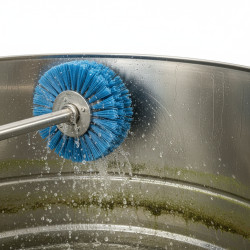
Clean Burner and Vents: Turn off the gas supply. Using a brush or vacuum, carefully clean any dust, lint, or debris from the main burner assembly and the exhaust vents. Blockages can hinder combustion and heating efficiency.
Step 5
Examine Thermostat Settings: Locate the thermostat dial on your geyser and ensure it’s set to your desired temperature, and not accidentally turned to a very low setting or ‘off’ position.
Step 6
Look for Visible Leaks (Gas & Water): Visually inspect all water pipes and connections for drips or signs of moisture. For gas leaks, turn off the geyser, apply soapy water to gas connections; bubbles indicate a leak. If you find a gas leak, turn off the main gas supply and call a professional.
Step 7
Reset Thermal Cutoff (If Applicable): Some modern geysers have a safety thermal cutoff switch that trips if the unit overheats. Locate this small button (often red, near the thermostat) and press it firmly to reset. Consult your geyser manual for its exact location.
Common mistakes
- Ignoring the distinct smell of gas – always prioritize safety, evacuate, and call professionals immediately.
- Failing to turn off both the main gas supply and the water supply before attempting any inspection or cleaning.
- Attempting to repair internal components or electrical wiring without proper training, which can be extremely dangerous.
- Over-tightening pipes or fittings, which can strip threads or crack components, leading to leaks.
- Neglecting regular cleaning and maintenance, allowing dust and soot buildup that reduces efficiency and causes breakdowns.
When to call a professional
- You detect a persistent gas smell that doesn’t dissipate, even after turning off the geyser and main gas supply.
- There are visible gas or significant water leaks from the geyser unit or its connections that you cannot easily fix.
- The pilot light repeatedly fails to stay lit, or the electronic ignition system is not sparking despite troubleshooting.
- The geyser is producing unusual and loud noises, such as banging, rumbling, or whistling, which can indicate internal issues.
- Even after checking all basic steps, the geyser still produces no hot water.
- Any visible damage to gas lines, electrical wiring, or internal geyser components requires expert attention.
Want this done properly without the hassle?
Aap DIY try kar sakte hain, lekin agar time nahi ya confidence kam ho, to professional bula lena better hota hai. Galat step se damage ya safety issue ho sakta hai.