How to Troubleshoot Electrical Problems with Gas Appliances at Home
Want this done properly without the hassle?
Aap DIY try kar sakte hain, lekin agar time nahi ya confidence kam ho, to professional bula lena better hota hai. Galat step se damage ya safety issue ho sakta hai.
Quick answer (read this first)
- Check the main circuit breaker and appliance power switch.
- Verify the appliance is properly plugged in to a live outlet.
- Inspect visible wiring for any damage or loose connections.
- For appliances with pilot lights, confirm it’s lit.
Safety first
- Always disconnect power at the circuit breaker before any inspection or work on electrical components.
- Never attempt to repair gas lines or suspected gas leaks yourself. This requires a certified professional.
- If you smell gas, immediately open windows and doors for ventilation, evacuate the premises, and contact emergency gas services. Do NOT use electrical switches or phones inside.
- Do not touch internal electrical components of gas appliances unless specifically qualified and the appliance is fully de-energized.
- Wear appropriate personal protective equipment (PPE) like insulated gloves if dealing with electrical components.
Tools you may need
- Screwdriver set (Philips and flathead)
- Insulated pliers/wire strippers
- Flashlight
- Multimeter (recommended for thorough electrical diagnostics)
- Electrical tape (for temporary insulation, not permanent repairs)
- Safety gloves (insulated for electrical work)
Step-by-step
Step 1
Prioritize Gas Safety: Before anything else, check for any gas odor. If you smell gas, stop immediately, open windows and doors for ventilation, evacuate, and contact emergency gas services. Do NOT proceed with electrical troubleshooting.
Step 2
Disconnect Power Supply: Locate the main circuit breaker or fuse box for your home and switch off the breaker controlling the specific gas appliance. Verify the power is off using a reliable method (e.g., trying to turn the appliance on).
Step 3
Inspect Power Outlet and Plug: Ensure the appliance’s power cord is securely plugged into a functional wall outlet. Test the outlet by plugging in another small, working appliance to confirm it’s receiving power. Look for any damage to the appliance’s power plug or cord.
Step 4
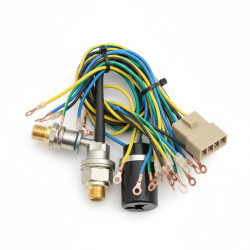
Examine External Wiring: With the power still off, carefully inspect all visible external electrical wiring connected to the gas appliance. Look for signs of fraying, cuts, melting, loose connections, or rodent damage.
Step 5
Check Internal Appliance Switches: Verify that all power switches on the gas appliance itself (e.g., ignition switch, fan switch, thermostat) are in the correct ‘On’ position or set appropriately. Sometimes a simple switch oversight is the cause.
Step 6
Assess Circuit Breaker Status: Check the circuit breaker panel. If the breaker associated with the appliance has tripped (often halfway between ON and OFF), reset it by pushing it fully to OFF, then firmly to ON. If it trips immediately again, do NOT keep resetting it, as this indicates a short circuit or overload.
Step 7
Test Appliance Function (After Power On): Once all initial checks are complete and if no obvious issues were found, restore power at the circuit breaker. Attempt to operate the gas appliance. Pay attention to any new noises, smells, or sparks.
Step 8
Evaluate Ignition System (If Applicable): For appliances with electric ignition, observe if the igniter sparks when activated. Look for visible obstructions, dirt, or corrosion on the igniter and flame sensor components (if safely accessible and only with power off for close inspection).
Common mistakes
- Overlooking the most basic checks: a tripped circuit breaker, a loose plug, or the appliance’s internal power switch being off.
- Ignoring the critical ‘Safety First’ rule, especially if you detect the smell of gas. Always prioritize evacuation and calling emergency services.
- Attempting to work on gas lines or internal gas components without proper certification and tools. This is extremely dangerous.
- Working on electrical components without first confirming the power is completely disconnected at the source (circuit breaker).
- Repeatedly resetting a tripping circuit breaker without investigating the underlying fault, which can cause further damage or fire hazards.
When to call a professional
- Immediately if you detect any gas odor, regardless of the electrical issue. Your safety is paramount.
- If the circuit breaker continues to trip after being reset, indicating a persistent electrical fault or overload.
- If you discover damaged internal wiring, burnt components, or suspect an electrical short circuit within the appliance itself.
- When the problem persists even after carefully following all the basic troubleshooting steps in this guide.
- For any repairs involving gas supply lines, internal gas components (like valves or regulators), or if you are uncomfortable dealing with the electrical issue.
- If a multimeter indicates complex electrical faults that you cannot diagnose or safely repair yourself.
Want this done properly without the hassle?
Aap DIY try kar sakte hain, lekin agar time nahi ya confidence kam ho, to professional bula lena better hota hai. Galat step se damage ya safety issue ho sakta hai.