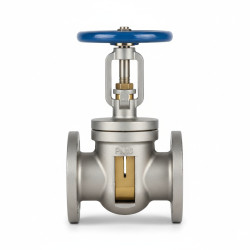
How to Troubleshoot Gate Valve Replacement Issues at Home
Want this done properly without the hassle?
Aap DIY try kar sakte hain, lekin agar time nahi ya confidence kam ho, to professional bula lena better hota hai. Galat step se damage ya safety issue ho sakta hai.
Quick answer (read this first)
- Inspect the new gate valve and connections immediately for leaks.
- Confirm the main water supply is fully restored post-replacement.
- Test the new valve’s operation: ensure it opens and closes smoothly.
- Check for reduced water pressure or unusual pipe noises.
Safety first
- Always turn off the main water supply before working on plumbing.
- Wear safety glasses to protect eyes from splashes or debris.
- Use gloves to avoid cuts and keep hands clean.
- Keep a bucket and towels handy for unexpected water leaks.
- Do not use excessive force on pipes or fittings.
Tools you may need
- Adjustable wrench or pipe wrench
- PTFE (Teflon) tape
- Flashlight
- Dry cloths or towels
- Bucket
Step-by-step
Step 1
Ensure Water Supply is Off: Before any adjustments, confirm the main water supply to your home is completely shut off at the main valve.
Step 2
Inspect for Visible Leaks: Carefully examine the new gate valve and all connecting pipe joints for any visible water drips, puddles, or dampness, especially around threaded connections.
Step 3
Tighten Connections Gently: Using an adjustable or pipe wrench, gently tighten any loose fittings, nuts, or unions around the valve. Avoid overtightening to prevent stripping threads or cracking pipes.
Step 4
Test for Leaks Under Pressure: Slowly turn the main water supply back on. Continuously observe the gate valve and all connections for a few minutes for any new leaks that may appear under full water pressure.
Step 5
Verify Valve Operation: Open and close the new gate valve completely several times. It should turn smoothly without excessive resistance and fully stop water flow when closed and allow full flow when open.
Step 6
Address Low Water Pressure (Airlock): If water pressure is significantly low, slowly open the nearest faucet or tap to purge any trapped air (airlock) from the pipes, which can restrict flow.
Step 7
Check Valve Stem Engagement: Confirm the valve handle is securely engaged with the valve stem. If the handle spins freely without operating the valve, the internal mechanism may be detached or faulty.
Step 8
Look for Debris Obstructions: If the old valve was corroded, debris might have entered the pipeline during replacement. Check for any flow restrictions or unusual noises that could indicate a blockage downstream.
Common mistakes
- Not properly cleaning pipe threads before applying new PTFE tape.
- Using too little or too much PTFE tape, leading to leaks or difficult connections.
- Overtightening fittings, which can crack pipes or strip threads.
- Forgetting to turn off the main water supply, leading to unexpected floods.
- Not checking for air in the lines after the replacement, causing low water pressure.
When to call a professional
- If leaks persist even after tightening connections and reapplying PTFE tape.
- If the new gate valve does not operate correctly (won’t open, close, or is stuck).
- If you experience significantly low water pressure throughout your house after replacement.
- If you are unsure about the source of the problem or lack the necessary tools/experience.
- If the leak is severe and you cannot control it by turning off the main supply.
Want this done properly without the hassle?
Aap DIY try kar sakte hain, lekin agar time nahi ya confidence kam ho, to professional bula lena better hota hai. Galat step se damage ya safety issue ho sakta hai.