How to Perform an Electric Geyser Safety Check & Quick Fixes
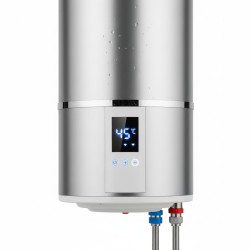
Want this done properly without the hassle?
Aap DIY try kar sakte hain, lekin agar time nahi ya confidence kam ho, to professional bula lena better hota hai. Galat step se damage ya safety issue ho sakta hai.
Quick answer (read this first)
- Verify the geyser is receiving adequate power.
- Check the thermostat for appropriate temperature settings.
- Inspect the unit for any visible water leaks or drips.
- Confirm the dedicated circuit breaker has not tripped.
Safety first
- ALWAYS turn off the main power supply to the geyser at the breaker before any inspection or repair.
- Never touch electrical components with wet hands or while standing in water.
- Use only insulated tools for electrical work to prevent shocks.
- Do not attempt repairs if you lack electrical knowledge or feel uncomfortable; call a professional immediately.
- Ensure your geyser has proper earthing to prevent electric shocks.
Tools you may need
- Insulated screwdriver set
- Multimeter (optional, for advanced voltage checks)
- Flashlight
- Dry cloth or towel
- Rubber gloves (for added protection)
Step-by-step
Step 1
Turn Off Power: ALWAYS begin by locating the main circuit breaker or dedicated switch for your geyser and turning off its power completely. Confirm no power by attempting to turn on the geyser switch.
Step 2
Visual Leak Inspection: Carefully inspect the geyser unit, all water connections, and the surrounding floor for any signs of water leaks, drips, or puddles. Note any corrosion or dampness.
Step 3
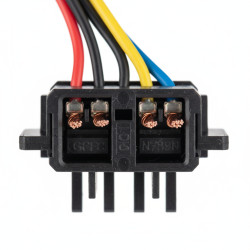
Examine Power Cord & Plug: With power off, thoroughly check the geyser’s power cord for any cuts, frayed insulation, or burn marks. Ensure the plug is firmly inserted into the wall socket and is not loose or discolored.
Step 4
Check Thermostat Settings: If safely accessible (usually behind a cover panel), verify the thermostat is set to a safe and efficient temperature, typically between 50-60°C. Do NOT adjust while power is on.
Step 5
Inspect Circuit Breaker: Go to your home’s main distribution board and locate the circuit breaker dedicated to the geyser. If it’s tripped (in the ‘off’ or middle position), reset it by pushing it fully to ‘off’ then ‘on’.
Step 6
Listen for Abnormal Sounds (Power On): After completing all visual and power-off checks, restore power to the geyser. Listen carefully for any unusual sounds like hissing, buzzing, popping, or rumbling, which could indicate internal issues.
Common mistakes
- Forgetting to turn off the main power supply before starting any inspection or repair.
- Ignoring minor water leaks, which can quickly lead to severe damage, electrical hazards, or short circuits.
- Failing to inspect power cords and plugs for damage or loose connections.
- Setting the thermostat excessively high, leading to scalding water, increased energy consumption, and premature element wear.
- Attempting complex electrical repairs without proper knowledge or tools, risking injury or further damage.
When to call a professional
- If the circuit breaker repeatedly trips after you reset it, indicating a persistent electrical fault.
- If you detect any burning plastic smell, smoke, or visible sparks from the geyser or its wiring.
- When encountering significant water leaks, especially if water is pooling near electrical components.
- If the geyser fails to heat water at all, or the water is excessively hot despite correct thermostat settings.
- If you hear loud banging, popping, or excessive rumbling noises from inside the geyser tank.
- Any situation involving internal wiring problems, damaged heating elements, or if you feel unsure about proceeding safely.
Want this done properly without the hassle?
Aap DIY try kar sakte hain, lekin agar time nahi ya confidence kam ho, to professional bula lena better hota hai. Galat step se damage ya safety issue ho sakta hai.