How to Troubleshoot Electric Geyser Issues at Home
Want this done properly without the hassle?
Aap DIY try kar sakte hain, lekin agar time nahi ya confidence kam ho, to professional bula lena better hota hai. Galat step se damage ya safety issue ho sakta hai.
Quick answer (read this first)
- Always turn off the main power to the geyser first.
- Check your circuit breaker for a trip or blown fuse.
- Inspect the geyser’s power plug, socket, and visible wiring for damage.
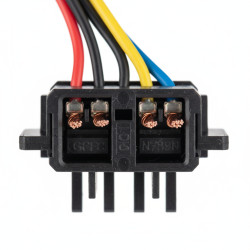
- Carefully look for burnt wires or loose connections inside (power off).
- Call a professional if you’re uncomfortable or unsure about any step.
Safety first
- ALWAYS switch off the main power supply to the geyser at your distribution board before touching any wires or components.
- Confirm power is off using a voltage tester before proceeding with any inspection.
- Wear insulated gloves and use insulated tools if you must work near electrical components.
- Never attempt repairs if you are unsure, uncomfortable, or lack proper electrical knowledge.
- Ensure the geyser is correctly earthed to prevent severe electric shocks.
Tools you may need
- Multimeter (for advanced checks)
- Voltage tester
- Screwdrivers (flathead and Phillips)
- Pliers
- Insulated gloves
Step-by-step
Step 1
Step 1: Prioritize Safety – Disconnect Power. Locate your home’s main distribution board and switch off the circuit breaker specifically for the geyser. If unlabeled, switch off the main breaker for the entire house. Verify there is no power to the geyser using a non-contact voltage tester before proceeding.
Step 2
Step 2: Check Circuit Breaker or Fuse. Go to your main circuit breaker panel. Look for any tripped breakers (usually flipped to the ‘off’ position or halfway) or a blown fuse (if applicable). Reset the breaker or replace the fuse if found tripped or blown. Try powering the geyser on again.
Step 3
Step 3: Inspect External Power Connections. Examine the geyser’s power plug and the wall socket it’s plugged into for any signs of burn marks, melting, or loose connections. Ensure the plug is fully inserted. Also, check the external power cable for any visible damage or cuts.
Step 4
Step 4: Conduct a Visual Internal Inspection (Power Off). With the power definitively off, carefully open the electrical cover of the geyser. Visually inspect the terminal block, heating element connections, and thermostat wiring for any signs of burning, charring, fraying, or loose connections. DO NOT touch any components until you are certain power is off.
Step 5
Step 5: Test Heating Element and Thermostat (Advanced). ONLY if you are comfortable and have a multimeter: Disconnect the wires from the heating element and thermostat. Use the multimeter to check for continuity in the heating element and the thermostat (when set to a ‘call for heat’ position). A lack of continuity indicates a faulty component.
Step 6
Step 6: Reassemble and Test (Carefully). If you found and fixed a minor issue (e.g., tightened a loose wire) and are confident, carefully reassemble the geyser’s electrical cover. Restore power and observe the geyser for proper operation. Listen for unusual sounds or smells.
Step 7
Step 7: Professional Assessment. If the issue persists after these basic troubleshooting steps, or if you are uncomfortable at any point, do not proceed further. It is best to call a qualified electrician.
Common mistakes
- Failing to confirm the power is completely off before beginning any inspection or repair.
- Ignoring clear signs of electrical damage like burning smells or visible scorch marks.
- Attempting to troubleshoot or repair electrical components without proper knowledge, insulated tools, or safety gear.
- Overlooking simple causes such as a tripped circuit breaker or a faulty power plug.
- Reassembling the geyser without ensuring all connections are secure and the wiring is correctly placed.
When to call a professional
- If the circuit breaker or RCD (Residual Current Device) for the geyser repeatedly trips after being reset.
- When you observe visible burn marks, melted insulation, sparks, or smell burning plastic.
- If the geyser is not heating at all, and you are not comfortable performing internal component tests.
- For any issues requiring replacement of the heating element, thermostat, or internal wiring.
- If you are unsure about any troubleshooting step or feel uncomfortable working with electricity.
- When the geyser shows signs of water leakage near electrical components.
Want this done properly without the hassle?
Aap DIY try kar sakte hain, lekin agar time nahi ya confidence kam ho, to professional bula lena better hota hai. Galat step se damage ya safety issue ho sakta hai.