Geyser Thermostat Issues: Safety Checks, Quick Fixes, and When to Replace
Want this done properly without the hassle?
Aap DIY try kar sakte hain, lekin agar time nahi ya confidence kam ho, to professional bula lena better hota hai. Galat step se damage ya safety issue ho sakta hai.
Quick answer (read this first)
- Immediately disconnect power to the geyser at the breaker.
- Visually inspect for signs of damage: burnt wires, corrosion, or water leaks.
- Press the thermostat’s reset button if available.
- Tighten any visibly loose electrical connections.
- If issues persist or appear complex, contact a certified plumber for diagnosis or replacement.
Safety first
- Always ensure the geyser’s main power supply is completely off at the circuit breaker before any inspection or repair.
- Electrocution risk: Wear insulated gloves and use only insulated tools when working near electrical components.
- Never attempt to work on live wires or components; verify power is off with a voltage tester if available.
- Maintain a dry work environment; water and electricity are a deadly combination.
- Immediately cease work and call a qualified professional if you detect burning smells, see sparks, smoke, or observe melting wires or components.
Tools you may need
- Screwdriver set (Phillips and flathead)
- Insulated electrical gloves
- Headlamp or flashlight for clear visibility
- Voltage tester (recommended for confirming power is off)
- Soft brush or cloth for cleaning terminals
Step-by-step
Step 1
Disconnect Power Safely: Go to your main electrical panel and switch off the circuit breaker specifically controlling the geyser. Use a voltage tester to confirm power is completely off at the geyser unit.
Step 2
Access the Thermostat Panel: Locate and carefully unscrew the lower access panel on your geyser, typically found near the heating elements. Set screws aside safely.
Step 3
Conduct Visual Inspection: With the panel open, thoroughly inspect the thermostat, wiring, and heating element terminals for any visible signs of damage: burnt insulation, discolored wires, corrosion, water streaks, or loose connections.
Step 4
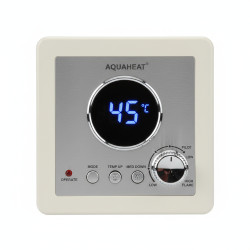
Press Thermostat Reset Button: Many geyser thermostats feature a small, red or black reset button. If present, press it firmly. This often resolves minor tripping issues due to overheating.
Step 5
Check & Secure Electrical Connections: Gently check all wire terminals connected to the thermostat and heating elements. If any feel loose, carefully tighten them with your insulated screwdriver. Avoid overtightening.
Step 6
Clean Terminals (If Applicable): If you notice light corrosion or dust on the terminals, carefully clean them using a soft brush or cloth (power still OFF). Ensure no debris falls into electrical components.
Step 7
Reassemble & Restore Power: Carefully reattach the access panel and secure all screws. Return to your circuit breaker and switch the geyser’s power back on.
Step 8
Test and Monitor Performance: Allow the geyser sufficient time to heat. Observe if it heats water correctly and consistently. Listen for unusual noises and check for any immediate signs of malfunction or overheating.
Common mistakes
- Failing to absolutely confirm the geyser’s power is off at the breaker, leading to severe electric shock risk.
- Working with wet hands or in a damp environment, significantly increasing the danger of electrocution.
- Attempting complex electrical repairs or bypassing safety mechanisms without proper qualifications or experience.
- Ignoring critical warning signs such as persistent burning smells, visible sparks, or water leaks from the tank.
- Mistakenly assuming the thermostat is always the culprit; the heating element or wiring could also be faulty.
- Overtightening electrical connections, which can strip screws or damage terminals.
When to call a professional
- The geyser continues to not heat, heats erratically, or consistently trips the circuit breaker after all basic checks and fixes.
- You observe any signs of significant water leakage from the geyser tank, pressure relief valve, or connecting pipes.
- There are extensive signs of electrical damage: heavily burnt wires, melted plastic components, or persistent pungent electrical odors.
- You are uncomfortable or unsure at any point during the inspection or repair process; electrical work carries serious risks.
- For complex diagnostics, complete geyser thermostat replacement, heating element replacement, or any internal tank repairs.
- If the issue recurs shortly after a ‘quick fix,’ indicating an underlying, more serious problem.
Want this done properly without the hassle?
Aap DIY try kar sakte hain, lekin agar time nahi ya confidence kam ho, to professional bula lena better hota hai. Galat step se damage ya safety issue ho sakta hai.