How to Troubleshoot Small Home Repairs and Quick Fixes

Want this done properly without the hassle?
Aap DIY try kar sakte hain, lekin agar time nahi ya confidence kam ho, to professional bula lena better hota hai. Galat step se damage ya safety issue ho sakta hai.
Quick answer (read this first)
- Prioritize safety by wearing appropriate gear and ensuring a safe workspace.
- Precisely identify the root cause of the household issue.
- Assemble necessary basic tools for the specific repair.
- Start with the simplest solutions or adjustments.
- Recognize your limits and call a professional for complex or unsafe tasks.
Safety first
- Always wear appropriate personal protective equipment (PPE) like gloves and eye protection, especially when using tools or chemicals.
- Ensure your work area is well-lit, stable, and clear of obstructions to prevent accidents.
- For any tasks involving electrical components, always turn off the power at the main breaker before starting.
- Be cautious with sharp tools and ensure they are stored safely when not in use.
- Avoid working with chemicals or solvents in poorly ventilated areas.
- Do not attempt complex repairs involving gas lines, major plumbing, structural integrity, or high-voltage electricity; these require certified professionals.
Tools you may need
- Basic screwdriver set (Phillips and flathead)
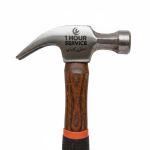
- Hammer
- Pliers (combination or slip-joint)
- Adjustable wrench
- Measuring tape
- Utility knife or box cutter
- Work gloves and safety glasses
- Lubricant spray (e.g., WD-40)
Step-by-step
Step 1
Pinpoint the Problem: Accurately identify the specific issue. For example, is it a loose screw on a door hinge, a sticky drawer, or a wobbly furniture leg? Clearly understand what needs fixing.
Step 2
Assess Complexity & Safety: Determine if the repair is within your skill level and if it involves any safety risks (e.g., electrical components, heavy objects). If unsure, stop and consult a professional.
Step 3
Gather the Right Tools & Materials: Collect all the necessary tools (e.g., screwdrivers, pliers, hammer) and any required replacement parts or materials (e.g., lubricant, small nails, wood glue).
Step 4
Prepare a Safe Work Area: Ensure adequate lighting and clear the area around the problem. Make sure the surface is stable and you have enough room to work comfortably and safely.
Step 5
Execute the Simple Fix: For loose parts, carefully tighten all visible screws, bolts, or fasteners, avoiding over-tightening. For squeaks or stiffness, apply a suitable lubricant to hinges, sliding tracks, or moving parts. For minor damage, use wood glue for small cracks or small nails/staples for loose fabric.
Step 6
Test the Repair Thoroughly: After making adjustments or repairs, test the item’s functionality to ensure the issue is resolved and it operates correctly and safely.
Step 7
Clean Up and Organize: Once the repair is complete, put away your tools, dispose of any waste, and clean the work area.
Step 8
Monitor if Needed: For recurring issues, keep an eye on the repaired item to ensure the fix holds.
Common mistakes
- Neglecting safety guidelines, leading to potential injury or further damage.
- Using incorrect tools or forcing parts, which can strip screws, break components, or cause injury.
- Failing to properly diagnose the problem, resulting in a temporary fix or not addressing the root cause.
- Over-tightening fasteners, which can strip threads or crack materials.
- Rushing the repair process, leading to oversight or incomplete work.
- Ignoring manufacturer’s instructions for products or appliances.
When to call a professional
- The problem involves complex electrical systems, gas lines, or major plumbing leaks, which require licensed professionals.
- The repair requires specialized tools or expertise that you do not have, or if you lack confidence in performing the task safely.
- The damage is extensive, structural (e.g., major wall damage, roof issues), or beyond a simple cosmetic fix.
- You feel unsafe, uncomfortable, or unsure at any point during the troubleshooting or repair process.
- Your attempts to fix the issue have been unsuccessful, or the problem reappears shortly after your repair.
- The task is time-consuming or complex enough that it would typically require more than a few hours of dedicated professional work.
Want this done properly without the hassle?
Aap DIY try kar sakte hain, lekin agar time nahi ya confidence kam ho, to professional bula lena better hota hai. Galat step se damage ya safety issue ho sakta hai.