How to Fix Wobbly Furniture at Home

Want this done properly without the hassle?
Aap DIY try kar sakte hain, lekin agar time nahi ya confidence kam ho, to professional bula lena better hota hai. Galat step se damage ya safety issue ho sakta hai.
Quick answer (read this first)
- Quickly stabilize wobbly furniture by first inspecting for loose joints or screws.
- Tighten all visible fasteners and apply wood glue to reinforce unsecured wooden joints.
- Address uneven legs with furniture shims or pads to restore balance and prevent further wobbles.
Safety first
- Always wear safety glasses to protect your eyes when handling tools or wood glue.
- Work on a flat, stable surface to prevent the furniture from tipping during repair.
- Exercise caution with tools to avoid injuries like pinched fingers or accidental damage to the furniture.
- Ensure adequate ventilation when using wood glue and allow it to dry completely before use, as per manufacturer instructions.
Tools you may need
- Screwdriver set (Phillips and flathead)
- Strong wood glue
- C-clamps or bar clamps (highly recommended for secure joints)
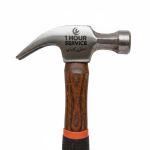
- Rubber mallet (for gently tapping joints)
- Furniture shims or felt pads (to level uneven legs)
- Utility knife or fine-grit sandpaper (for old glue removal)
- Clean cloths (for wiping excess glue)
Step-by-step
Step 1
Inspect Thoroughly: Begin by carefully examining your wobbly furniture from all angles. Look for loose screws, detached joints, cracked wood, or any signs of wear and tear that contribute to instability.
Step 2
Prepare the Furniture: Turn the furniture upside down or lay it on its side to gain easy access to all legs, braces, and structural joints. Clear any dust or debris from the repair areas.
Step 3
Tighten Screws: Using the appropriate screwdriver, systematically tighten every visible screw on the frame and joints. Turn until snug, but avoid overtightening to prevent stripping the screw heads or damaging the wood.
Step 4
Address Loose Joints with Glue: For wooden joints that are loose, separated, or don’t have screws, carefully apply wood glue into the gaps. If there’s old, brittle glue, use a utility knife or sandpaper to remove it first for better adhesion.
Step 5
Realign and Clamp: Gently tap the glued joints back into their correct position using a rubber mallet or your hands. Secure the joints tightly with C-clamps or bar clamps, ensuring proper alignment. Immediately wipe away any excess glue with a damp cloth.
Step 6
Allow for Curing: Let the wood glue dry and cure completely for the time recommended by the manufacturer, typically 6-12 hours. Do not use or move the furniture during this period to ensure a strong bond.
Step 7
Check for Levelness: After the glue has fully dried and clamps are removed, place the furniture upright. If it still wobbles, identify the shorter leg(s) and carefully place furniture shims or felt pads underneath until the furniture sits level and stable on the floor.
Step 8
Final Stability Test: Thoroughly test the furniture by applying weight and pressure from different directions to confirm it is completely stable and safe for regular use.
Common mistakes
- Overlooking other potential weak spots; a single wobble can stem from multiple loose joints or screws.
- Applying too little wood glue or failing to use clamps, leading to weak or temporary repairs.
- Using an ill-fitting screwdriver, which can strip screws or damage the furniture’s finish.
- Neglecting small wobbles, which invariably worsen and cause more significant damage over time.
- Failing to allow the wood glue to cure fully, compromising the strength and longevity of the repair.
- Overtightening screws, which can strip the threads in the wood and make future repairs difficult.
When to call a professional
- When the furniture exhibits significant structural damage, such as deep cracks, broken frame components, or compromised load-bearing elements.
- For valuable antique furniture or pieces with intricate joinery that demand specialized restoration skills and tools.
- If your attempts at basic repairs do not resolve the wobbling, indicating a more complex underlying issue.
- If you do not possess the appropriate tools, lack confidence in performing the repair, or prefer a professional’s expertise for a lasting solution.
Want this done properly without the hassle?
Aap DIY try kar sakte hain, lekin agar time nahi ya confidence kam ho, to professional bula lena better hota hai. Galat step se damage ya safety issue ho sakta hai.