How to Fix a Buzzing or Humming Fan Regulator
Want this done properly without the hassle?
Aap DIY try kar sakte hain, lekin agar time nahi ya confidence kam ho, to professional bula lena better hota hai. Galat step se damage ya safety issue ho sakta hai.
Starting from
Rs. 500
Quick answer (read this first)
- Ensure Safety First: Switch off the main circuit breaker controlling the fan before any inspection.
- Inspect Wiring: Check for any loose or damaged wire connections at the regulator.
- Assess Regulator Condition: Look for visible damage or signs of age on the regulator unit itself.
- Replace If Faulty: If connections are secure but buzzing continues, replace the old regulator with a new, compatible one.
Safety first
- Always switch off the main circuit breaker before touching any electrical components.
- Confirm power is off using a voltage tester before proceeding with any work on the regulator.
- Use only insulated tools and ensure your hands and work area are completely dry.
- Never attempt to work on live circuits or touch bare wires with power on.
- If you feel unsure or encounter unexpected issues, stop immediately and contact a certified electrician.
Tools you may need
- Screwdriver set (flathead and Philips)
- Electrical tape for insulation
- Voltage tester (essential for confirming power is off)
- New fan regulator (match type and rating, if replacement is needed)
Step-by-step
- Cut Power Supply: Locate and switch off the main circuit breaker that controls the fan’s power supply. Crucially, use a voltage tester to confirm that no power is reaching the fan switch or regulator before proceeding.
- Remove Regulator Cover: Carefully unscrew and remove the faceplate of the fan regulator using an appropriate screwdriver.
- Gently Pull Out Regulator: Carefully pull the fan regulator unit out from its wall box, taking care not to strain or damage the connected wires.
- Inspect Wiring Connections: Examine all wire connections to the regulator. Look for any loose, frayed, or burnt wires. Use your screwdriver to securely tighten any loose terminal screws. If you find significant damage, stop and call a professional.
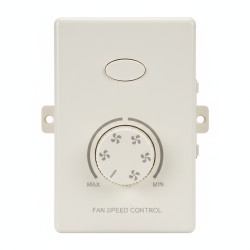
- Examine the Regulator Unit: Visually inspect the regulator for any signs of physical damage, discoloration, or a burnt smell. Older, coil-based (rheostat) regulators are more prone to humming due to their design, but newer electronic regulators can also fail.
- Diagnose for Replacement: If all wiring connections are secure and appear undamaged, and the buzzing persists, the fault is likely internal to the regulator itself. In most cases, the regulator will need to be replaced.
- Disconnect Old Regulator: If replacing, carefully disconnect the wires from the old regulator. Note or take a picture of how the two wires are connected to ensure correct installation of the new unit.
- Install New Regulator: Connect the wires to the new fan regulator, ensuring all connections are tight and secure. Any exposed wire ends should be covered with electrical tape for insulation.
- Mount and Reassemble: Carefully push the new regulator back into the wall box, making sure no wires are pinched. Reattach the cover plate securely.
- Restore Power and Test: Turn the main power supply back on at the circuit breaker. Test the fan regulator at various speeds to confirm that the buzzing has stopped and the fan operates smoothly.
Common mistakes
- Forgetting to switch off the main power, which can lead to severe electric shock.
- Using improper tools or working in damp conditions, increasing electrical hazard.
- Leaving wire connections loose or poorly insulated, posing fire risks.
- Attempting to repair a faulty regulator’s internal components, which is often ineffective and risky; replacement is safer.
- Ignoring signs of deeper electrical issues, such as tripped breakers or burning smells, which require professional attention.
When to call a professional
- You are uncomfortable with or lack experience in electrical wiring. Electrical work can be dangerous if not performed correctly.
- The buzzing persists even after you’ve thoroughly checked and tightened all connections, indicating a more complex issue.
- You observe any burnt wires, smoke, or a burning smell, which are signs of immediate danger.
- You are uncertain about the correct wiring diagrams or compatibility for a new fan regulator.
- The problem appears to stem from the ceiling fan motor or the main electrical wiring, rather than just the regulator.
Want this done properly without the hassle?
Aap DIY try kar sakte hain, lekin agar time nahi ya confidence kam ho, to professional bula lena better hota hai. Galat step se damage ya safety issue ho sakta hai.
Starting from
Rs. 500
100% Money Back Guarantee
If you are not satisfied with the service