How to Perform an Instant Geyser Safety Check & Basic Troubleshooting
Want this done properly without the hassle?
Aap DIY try kar sakte hain, lekin agar time nahi ya confidence kam ho, to professional bula lena better hota hai. Galat step se damage ya safety issue ho sakta hai.
Quick answer (read this first)
- Always turn off main power and gas supply to the geyser first.
- Visually inspect all water and gas connections for leaks or damage.
- Ensure the geyser’s exhaust vent is clear and properly fitted.
- Check for proper ventilation in the installation area.
- Listen for any unusual sounds or detect strange smells during operation.
Safety first
- Prioritize safety: ALWAYS turn off the main electricity and gas supply to the geyser before any inspection or troubleshooting.
- NEVER attempt to repair complex electrical wiring or gas line issues yourself; these require a certified professional.
- Ensure the geyser’s installation area has adequate and permanent ventilation to prevent the dangerous buildup of carbon monoxide.
- If you ever smell gas, even faintly, do NOT operate the geyser. Immediately evacuate the area, open windows, and call a professional.
- Wear appropriate protective gloves and eyewear when handling geyser components.
Tools you may need
- Screwdriver (Phillips and flathead)
- Adjustable wrench
- Leak detection spray (or soapy water solution)
- Flashlight
- Clean cloth or towel
Step-by-step
Step 1
Step 1: Power Down & Gas Shutoff. Switch off the main electrical breaker connected to your geyser and completely close the gas supply valve to the unit.
Step 2
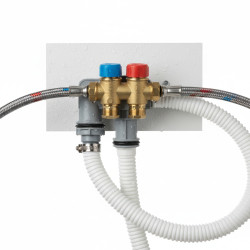
Step 2: Water Line Inspection. Visually inspect all water inlet and outlet pipes and their connections for any signs of leaks, drips, or corrosion. Gently tighten any loose water connections using an adjustable wrench.
Step 3
Step 3: Gas Line Integrity Check. Examine the gas supply pipe, its regulator, and all connections for visible damage, kinks, or wear. Apply leak detection spray or soapy water to gas connections; if bubbles appear, immediately stop, ventilate, and call a professional.
Step 4
Step 4: Exhaust Vent & Ventilation. Check the exhaust vent for any blockages from dust, debris, or bird nests, ensuring it is clear and securely fitted. Confirm the overall room has sufficient ventilation to prevent carbon monoxide.
Step 5
Step 5: Pilot Light Area Cleaning. With the gas supply still off, carefully inspect the pilot light area (if applicable) for soot or dust buildup and gently clean if accessible, without disturbing components.
Step 6
Step 6: Controlled Restart & Observation. If no issues are found, slowly reopen the gas supply valve and restore electrical power. Observe the geyser closely during its initial operation for any abnormal sounds, strange smells, or new leaks.
Step 7
Step 7: Professional Referral. If the geyser fails to ignite, displays persistent error codes, or if you encounter any problem beyond a simple tightening or cleaning, immediately turn off both power and gas and contact a certified plumbing professional.
Common mistakes
- Ignoring minor water leaks, which can escalate into significant water damage or system failures over time.
- Neglecting to check the exhaust vent for obstructions, leading to dangerous carbon monoxide buildup.
- Attempting to fix complex electrical faults or gas line issues without proper training and certification.
- Operating an instant geyser in an unventilated or poorly ventilated confined space.
- Failing to conduct regular visual inspections and basic maintenance checks on the unit.
When to call a professional
- If you detect any smell of gas, no matter how faint, at any time.
- For persistent water leaks that you are unable to resolve with basic tightening.
- If the geyser is not consistently heating water, constantly shutting off, or showing recurring error codes.
- For any electrical issues, such as tripped breakers, flickering lights, or exposed wiring.
- If the geyser flame is yellow or orange instead of a strong blue, indicating incomplete combustion.
- When in doubt about the safety, functionality, or structural integrity of any geyser component.
Want this done properly without the hassle?
Aap DIY try kar sakte hain, lekin agar time nahi ya confidence kam ho, to professional bula lena better hota hai. Galat step se damage ya safety issue ho sakta hai.