How to do a basic Internal Wiring safety check and quick fixes
Want this done properly without the hassle?
Aap DIY try kar sakte hain, lekin agar time nahi ya confidence kam ho, to professional bula lena better hota hai. Galat step se damage ya safety issue ho sakta hai.
Quick answer (read this first)
- Visually inspect outlets, switches, and cords for damage.
- Check if circuit breakers are tripped or fuses are blown.
- Ensure appliances are not overloading a single socket.
- Always turn off power before attempting any fix.
- Call a professional for complex or persistent issues.
Safety first
- Always turn off the main power supply or specific circuit breaker before inspecting or attempting any fix.
- Never touch bare wires.
- Use insulated tools when necessary.
- Do not attempt repairs beyond your expertise; call a qualified electrician.
- Keep children and pets away from electrical work areas.
Tools you may need
- Screwdriver (insulated recommended)
- Torch/flashlight
- Non-contact voltage tester (optional)
- Spare fuses (if applicable)
- Insulating tape (for temporary, minor cord repairs)
Step-by-step
Step 1
Switch Off Power: Turn off the main power supply or the relevant circuit breaker before beginning any inspection or fix.
Step 2
Visual Inspection of Fixtures: Examine all accessible power outlets and light switches for visible damage like cracks, burn marks, discoloration, or loose components.
Step 3
Cord and Plug Integrity Check: Inspect appliance cords, extension leads, and power strips for fraying, exposed wires, cuts, or signs of overheating (e.g., melted plastic).
Step 4
Temperature and Light Observation: Gently check outlets and switches for unusual warmth, which can signal an overload. Observe lights for flickering, dimming, or inconsistent brightness.
Step 5
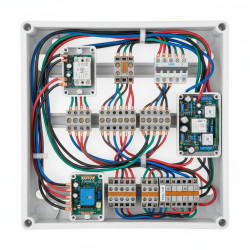
Distribution Board Check: Locate your main distribution board (DB) and look for any tripped circuit breakers (in the ‘off’ or middle position) or blown fuses. Reset tripped breakers or replace blown fuses with the correct rating if safe to do so.
Step 6
Prevent Overloading: Ensure all plugs are fully inserted into sockets. Avoid connecting multiple high-power appliances to a single outlet or extension cord to prevent overloads.
Step 7
Quick Fix - Bulb Replacement: If a light fixture isn’t working, safely replace the bulb with a new one after confirming the power is off. If the problem persists, it may be a wiring issue.
Common mistakes
- Ignoring minor issues like flickering lights or warm outlets.
- Overloading sockets with too many appliances.
- Using incorrect fuse ratings as replacements.
- Attempting repairs without turning off the power.
- Using damaged or substandard extension cords.
When to call a professional
- If you smell burning plastic or a pungent electrical odor.
- When circuit breakers trip frequently or fuses blow often without clear cause.
- If you see exposed wiring or extensive damage to outlets/switches.
- For any issues involving the main distribution board or meter.
- When persistent electrical problems cannot be resolved with basic troubleshooting.
Want this done properly without the hassle?
Aap DIY try kar sakte hain, lekin agar time nahi ya confidence kam ho, to professional bula lena better hota hai. Galat step se damage ya safety issue ho sakta hai.