How to do a basic Kitchen Cabinet Hydraulic Pump safety check and quick fixes
Want this done properly without the hassle?
Aap DIY try kar sakte hain, lekin agar time nahi ya confidence kam ho, to professional bula lena better hota hai. Galat step se damage ya safety issue ho sakta hai.
Quick answer (read this first)
- Inspect hydraulic pumps regularly for leaks or loose screws.
- Clean pump mechanisms to prevent debris buildup.
- Gently tighten any loose hinge or pump screws.
- Apply silicone lubricant to ensure smooth movement.
Safety first
- Clear the entire work area to avoid obstructions and hazards.
- Always wear safety glasses to protect your eyes from any potential flying debris.
- Never force stuck components; excessive force can cause further damage or injury.
- Securely support the cabinet door throughout the inspection and repair process to prevent accidental falls.
Tools you may need
- Screwdriver set (Phillips and flathead)
- Clean cloth or brush
- Silicone lubricant spray
- Flashlight (optional, for better visibility)
Step-by-step
Step 1
Prepare the Work Area: Empty the cabinet completely and clear all items from the surrounding space to ensure safe and unrestricted access.
Step 2
Assess Cabinet Door Movement: Slowly open and close the cabinet door several times. Listen for grinding, squeaking, or rubbing noises, and feel for any unusual resistance or sticking points.
Step 3
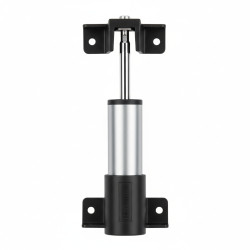
Visually Inspect the Hydraulic Pump: Carefully examine the hydraulic pump and hinge assembly. Look for any visible signs of damage, cracks, corrosion, excessive wear, or any oily residue indicating a leak.
Step 4
Tighten Loose Connections: Using the correct Phillips or flathead screwdriver, gently tighten any loose screws found on the hydraulic pump mechanism, hinge plates, or mounting brackets. Avoid over-tightening.
Step 5
Clean the Mechanism: With a clean cloth or soft brush, thoroughly remove any accumulated dust, dirt, grease, or grime from the hydraulic pump and hinge components.
Step 6
Lubricate Moving Parts: Apply a small, controlled amount of silicone lubricant spray directly onto the moving joints and pivot points of the hydraulic pump and hinges. Wipe away any excess immediately.
Step 7
Test and Adjust: Gently open and close the cabinet door repeatedly to help distribute the lubricant. Observe the door’s operation for smoother, quieter closing and adjust lubrication or screw tightness as needed.
Common mistakes
- Over-tightening screws, which can easily strip threads or damage the cabinet material.
- Using oil-based lubricants (like WD-40) that can attract dust and grime, leading to more frequent issues.
- Ignoring early warning signs such as minor squeaks or slow, uneven closing, which can escalate into bigger problems.
- Attempting to disassemble the hydraulic pump itself; these are usually sealed units not designed for DIY internal repair.
When to call a professional
- If the hydraulic pump is visibly broken or extensively leaking oil.
- If the cabinet door still doesn’t close properly after attempting quick fixes.
- If you encounter any complex issues or are uncomfortable performing the repairs yourself.
- For new installations or complete replacement of hydraulic systems.
Want this done properly without the hassle?
Aap DIY try kar sakte hain, lekin agar time nahi ya confidence kam ho, to professional bula lena better hota hai. Galat step se damage ya safety issue ho sakta hai.