How to Troubleshoot Kitchen Cabinet Hydraulic Pump Issues at Home
Want this done properly without the hassle?
Aap DIY try kar sakte hain, lekin agar time nahi ya confidence kam ho, to professional bula lena better hota hai. Galat step se damage ya safety issue ho sakta hai.
Quick answer (read this first)
- Identify the specific issue: sagging, stiff, or noisy door.
- Tighten any loose screws on the pump and hinges.
- Thoroughly clean dust and debris from the mechanism.
- Lubricate all moving parts with an appropriate spray.
- Inspect for leaks or physical damage to the pump.
- Adjust the pump’s tension if an adjustment screw is present.
- Consider professional help or replacement if issues persist.
Safety first
- Wear safety glasses to protect your eyes from debris.
- Use appropriate gloves to prevent cuts or scrapes.
- Work in a well-lit environment to see all components clearly.
- Always support the cabinet door securely to prevent it from falling unexpectedly.
- Keep children and pets away from the work area during the repair process.
Tools you may need
- Screwdriver set (Phillips and flathead)
- Small wrench or pliers (if needed for adjustments)
- Clean microfibre cloth
- Household lubricant spray (e.g., silicone or lithium-based)
- Flashlight or headlamp
- Step stool or ladder (for upper cabinets)
Step-by-step
Step 1
Step 1: Diagnose the Problem. Gently open and close the cabinet door, observing if it’s sagging, stiff, closing too fast or slow, or making unusual noises. Pinpoint the exact symptom.
Step 2
Step 2: Secure the Cabinet Door. If possible, have someone hold the door or use temporary supports to prevent it from swinging freely or falling while you work, especially if screws are loose.
Step 3
Step 3: Inspect for Loose Fasteners. Systematically check all screws connecting the hydraulic pump and hinges to both the cabinet frame and the door. Use the correct screwdriver to tighten any loose screws, but avoid over-tightening.
Step 4
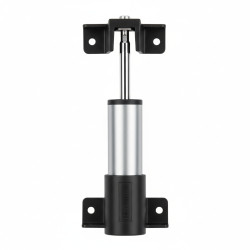
Step 4: Clean the Mechanism. With the door stable, use a clean cloth to carefully wipe away accumulated dust, grease, grime, and debris from the hydraulic pump body, hinge joints, and piston shaft. A small brush can help reach tight spots.
Step 5
Step 5: Lubricate Moving Components. Apply a small, controlled amount of household lubricant spray to the pivot points of the hinges and directly onto the exposed piston shaft of the hydraulic pump. Open and close the door a few times to work the lubricant in, then wipe off any excess.
Step 6
Step 6: Check for Damage or Leaks. Thoroughly inspect the hydraulic pump for any visible cracks, bends, or signs of oil leakage. A leaky pump indicates internal failure and usually means it needs to be replaced.
Step 7
Step 7: Adjust Pump Tension (If Applicable). Many hydraulic pumps have a small adjustment screw. If present, turn it slightly clockwise to slow down the closing speed or counter-clockwise to speed it up. Test the door after small adjustments until the desired speed is achieved.
Step 8
Step 8: Re-evaluate and Test. After performing these steps, test the cabinet door’s functionality. If the issue persists, carefully re-examine the pump for damage or consider if it’s time for a replacement.
Common mistakes
- Over-tightening screws, which can strip the threads or damage the wood.
- Using excessive lubricant, which can attract more dust and grime over time.
- Ignoring minor issues, leading to more significant damage to the cabinet or pump.
- Attempting to force a stiff or damaged component, causing further breakage.
- Failing to support the cabinet door, risking it falling and causing injury or damage.
When to call a professional
- If the cabinet door remains problematic after following all troubleshooting steps.
- If the hydraulic pump is visibly leaking oil, severely damaged, or broken.
- If you are uncomfortable with replacing the hydraulic pump yourself.
- If the cabinet door itself is misaligned, warped, or damaged beyond simple adjustments.
- If you encounter any electrical wiring near the cabinet mechanism, which requires professional handling.
Want this done properly without the hassle?
Aap DIY try kar sakte hain, lekin agar time nahi ya confidence kam ho, to professional bula lena better hota hai. Galat step se damage ya safety issue ho sakta hai.