How to Safely Fix a Kitchen Drain Blockage: Quick DIY Solutions
Want this done properly without the hassle?
Aap DIY try kar sakte hain, lekin agar time nahi ya confidence kam ho, to professional bula lena better hota hai. Galat step se damage ya safety issue ho sakta hai.
Quick answer (read this first)
- Start with hot water and dish soap to dissolve grease blockages.
- Effectively use a plunger to dislodge common clogs.
- Inspect and clean the P-trap if the blockage is under the sink.
- Always wear protective gear: gloves and eye protection.
- Avoid corrosive chemical drain cleaners to prevent pipe damage.
Safety first
- Always wear rubber gloves and eye protection to protect against splashes and debris.
- Never mix different cleaning products; dangerous fumes can result. Avoid harsh chemical drain cleaners altogether.
- Turn off the water supply to the sink before attempting to open any plumbing pipes.
- Ensure adequate ventilation in your kitchen, especially when dealing with foul odors.
- Exercise extreme caution when using hot water to prevent scalding or burns.
- If at any point you feel unsafe or unsure, stop and call a professional plumber.
Tools you may need
- Rubber gloves and eye protection
- Plunger (standard cup or flange type)
- Large bucket or basin
- Adjustable wrench or slip-joint pliers
- Dish soap or liquid detergent
- Hot water (not boiling)
- Bent wire (e.g., straightened coat hanger) or small bottle brush
Step-by-step
Step 1
Step 1: Prepare and Prioritize Safety. Gather all necessary tools. Put on your rubber gloves and eye protection. Clear out everything from under your kitchen sink, placing a large bucket or basin directly beneath to catch any drips or spills.
Step 2
Step 2: Try the Hot Water and Soap Flush. Pour one cup of liquid dish soap directly into the drain. Follow this with several cups of very hot (but not boiling) water. Let the solution sit for 15-20 minutes to help dissolve grease, then flush with more hot water.
Step 3
Step 3: Effectively Use a Plunger. Fill the sink with enough water to completely submerge the plunger cup. Position the plunger firmly over the drain opening to create a tight seal. Plunge vigorously for 15-20 seconds, maintaining the seal, then quickly pull up. Repeat this process several times.
Step 4
Step 4: Prepare to Inspect the P-Trap. If plunging doesn’t work, turn off the water supply to the sink. Ensure your bucket is directly underneath the P-trap (the U-shaped pipe under your sink). Use an adjustable wrench or slip-joint pliers to carefully loosen the slip nuts on both ends of the P-trap.
Step 5
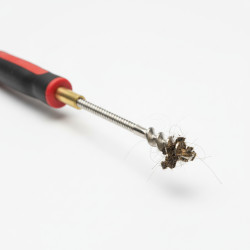
Step 5: Remove and Clean the P-Trap. Gently remove the P-trap, emptying any trapped water and debris into the bucket. Use a small brush or a straightened coat hanger to thoroughly clean out any accumulated gunk, food particles, or hair from inside the trap. Also, check the drainpipes leading to and from the trap for visible obstructions.
Step 6
Step 6: Reassemble the P-Trap. Carefully reattach the P-trap, ensuring the slip nuts are hand-tightened first. Then, use your wrench or pliers to give them an additional quarter-turn for a snug, leak-free connection. Avoid overtightening, which can damage plastic pipes.
Step 7
Step 7: Test for Leaks and Drainage. Turn the water supply back on to the sink. Run hot water for several minutes, meticulously checking around the P-trap connections for any signs of leaks. Observe if the water drains freely. If not, the blockage might be further down the line.
Common mistakes
- Pouring cooking oil, grease, or coffee grounds down the drain, which solidify and cause blockages.
- Relying on harsh chemical drain cleaners; these can corrode pipes, especially older ones, and are harmful to health and the environment.
- Ignoring early signs of a slow drain, allowing minor issues to escalate into complete blockages.
- Applying excessive force with a plunger, which can potentially damage or dislodge pipe connections.
- Failing to place a bucket or basin under the P-trap before opening it, leading to messy spills.
- Overtightening P-trap nuts, which can strip threads or crack plastic pipes.
When to call a professional
- The blockage remains despite diligently following all DIY steps in this guide.
- Water is backing up in more than just your kitchen sink, affecting multiple drains (e.g., bathroom sink, bathtub, toilet).
- You notice gurgling sounds coming from other drains when the kitchen sink is in use.
- There’s a persistent, strong sewage odor or visible sewage backup in any drain.
- You suspect the blockage is in the main sewer line, which requires specialized tools and expertise.
- You feel uncomfortable or lack the necessary tools/experience to safely perform any of the advanced steps.
- There is structural damage to pipes or recurring blockages, indicating a deeper underlying issue.
Want this done properly without the hassle?
Aap DIY try kar sakte hain, lekin agar time nahi ya confidence kam ho, to professional bula lena better hota hai. Galat step se damage ya safety issue ho sakta hai.