How to Troubleshoot Kitchen Hood Installation Issues
Want this done properly without the hassle?
Aap DIY try kar sakte hain, lekin agar time nahi ya confidence kam ho, to professional bula lena better hota hai. Galat step se damage ya safety issue ho sakta hai.
Starting from
Rs. 900
Quick answer (read this first)
- Check power supply and circuit breakers.
- Inspect filters for clogging.
- Verify ducting for blockages or leaks.
- Ensure proper hood mounting.
Safety first
- Always turn off power at the main breaker before starting any inspection or repair.
- Wear protective gloves to avoid cuts from sharp edges and to handle dust/grease.
- Never attempt complex electrical wiring repairs yourself; call a qualified electrician.
- Use a sturdy, stable ladder or step stool when working at heights to prevent falls.
Tools you may need
- Screwdriver set (Phillips and flathead)
- Multimeter or non-contact voltage tester (optional, for checking power)
- Cleaning supplies (degreaser, cloths, brush)
- Flashlight or headlamp
- Duct tape or sealant (for minor air leaks)
Step-by-step
Step 1
- Disconnect Power Safely: Go to your home’s main circuit breaker and switch off the power supply specifically for your kitchen hood circuit. Verify power is off using a voltage tester or by attempting to turn on the hood.
Step 2
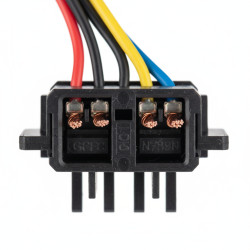
- Inspect Power Connections: Check the hood’s power cord for any visible damage or loose connections at the outlet. If accessible and safe, also inspect the internal wiring connections within the hood for looseness or burn marks. Do NOT proceed with complex internal wiring if unsure.
Step 3
- Examine Filters: Remove all grease filters (mesh or baffle) from the hood. Inspect them closely for heavy grease buildup, dust, or other blockages. Clean them thoroughly with a degreaser and hot water, or replace them if they are excessively damaged or clogged beyond cleaning. Reinstall only when completely dry.
Step 4
- Check Ductwork for Obstructions: Visually inspect the entire exhaust ducting, from the hood’s outlet to the exterior vent cap. Look for any kinks, disconnections, debris (like bird nests or leaves), or excessive bends that could severely restrict airflow. Gently feel for blockages if safe and accessible.
Step 5
- Verify Mounting and Seals: Ensure the kitchen hood is securely mounted to the wall or cabinet without any wobbling or looseness. Check all duct connections, including where the duct meets the hood and the exterior vent, for airtight seals. Re-seal any visible gaps or loose joints with appropriate duct tape or sealant if necessary.
Step 6
- Inspect Fan Blades and Motor: With the power still off, carefully try to spin the fan blades by hand to check for any physical obstructions or stiffness. Look for debris caught around the blades. If safe, briefly restore power to listen for unusual motor noises like grinding or buzzing; turn power off immediately if heard or if the fan doesn’t spin.
Step 7
- Test Operation: Once all checks and minor repairs are complete, restore power to the kitchen hood from the main circuit breaker. Test all fan speeds and light settings to confirm if the issue is resolved and the hood is functioning correctly with adequate suction.
Common mistakes
- Forgetting to turn off the main power supply before starting inspection or repair.
- Ignoring dirty or clogged grease filters, which severely reduce suction efficiency.
- Using incorrect duct size or installing ductwork with too many sharp bends, impeding airflow.
- Not sealing duct connections properly, leading to air leaks and reduced performance.
- Overlooking a tripped circuit breaker as the cause of power loss.
When to call a professional
- If electrical wiring issues persist, or if you encounter complex internal wiring problems.
- When the motor makes loud grinding noises, hums, or fails to run after basic checks.
- If the hood vibrates excessively, feels loose, or has structural mounting issues.
- For complex ductwork modifications, repairs, or if blockages are inaccessible.
- When suction remains poor despite thorough cleaning, sealing, and power checks.
Want this done properly without the hassle?
Aap DIY try kar sakte hain, lekin agar time nahi ya confidence kam ho, to professional bula lena better hota hai. Galat step se damage ya safety issue ho sakta hai.
Starting from
Rs. 900
100% Money Back Guarantee
If you are not satisfied with the service