Kitchen Hood Safety: DIY Checks & Quick Fixes
Want this done properly without the hassle?
Aap DIY try kar sakte hain, lekin agar time nahi ya confidence kam ho, to professional bula lena better hota hai. Galat step se damage ya safety issue ho sakta hai.
Quick answer (read this first)
- Clean grease filters regularly to prevent fire hazards and maintain airflow.
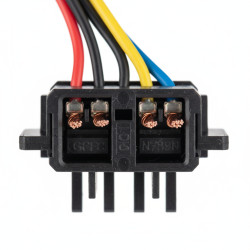
- Inspect the power cord for damage and ensure a secure electrical connection.
- Listen for abnormal sounds; unusual noises often indicate a mechanical issue.
- Verify the exhaust duct is clear and properly vents outside for effective smoke removal.
Safety first
- Always disconnect power (unplug or turn off breaker) before any work.
- Never touch exposed wiring; risk of severe electric shock.
- Wear protective gloves when handling greasy components to avoid skin irritation.
- Do not attempt complex electrical repairs; always defer to a qualified professional.
- Ensure your work area is completely dry to prevent electrical accidents.
Tools you may need
- Screwdriver set (Phillips and flathead)
- Cleaning cloths or sponges
- Degreaser or mild detergent
- Flashlight
- Ladder or step stool (if needed)
Step-by-step
Step 1
Disconnect Power: Unplug the kitchen hood from its outlet or switch off its dedicated circuit breaker. Verify power is off before proceeding.
Step 2
Inspect Power Cord & Plug: Examine the power cord for cuts, fraying, or exposed wires. Confirm the plug is securely seated in the wall socket without looseness or burn marks.
Step 3
Clean or Replace Filters: Remove grease filters as per your hood’s manual. Inspect for heavy grease buildup or damage. Clean thoroughly with degreaser or replace if damaged/heavily soiled.
Step 4
Clean Fan & Interior: With filters removed, gently wipe accessible fan blades and interior surfaces using degreaser. Avoid damaging electrical components.
Step 5
Visual Ductwork Check: If accessible, inspect the exhaust duct for disconnections, obstructions (e.g., bird nests), or damage. Ensure clear airflow pathway.
Step 6
Restore Power & Test: Reconnect power to the hood. Turn on the fan and lights, verifying proper operation. Listen for any unusual grinding, rattling, or burning smells.
Common mistakes
- Failing to disconnect power, risking electric shock.
- Neglecting regular filter cleaning, which reduces efficiency and increases fire risk.
- Ignoring warning signs like unusual noises, vibrations, or burning smells.
- Attempting complex electrical repairs without professional expertise.
- Using harsh or abrasive cleaners that can damage hood finishes.
When to call a professional
- Discovering damaged, frayed, or exposed electrical wiring.
- The hood emits loud grinding noises, burning smells, or excessive smoke.
- The fan motor fails to operate, operates intermittently, or repeatedly trips the circuit breaker.
- You encounter complex ductwork problems, require extensive repairs, or need a full hood replacement.
- You are uncertain about any inspection step or feel uncomfortable performing the check yourself.
Want this done properly without the hassle?
Aap DIY try kar sakte hain, lekin agar time nahi ya confidence kam ho, to professional bula lena better hota hai. Galat step se damage ya safety issue ho sakta hai.