How to Do a Basic Kitchen Sink Installation Safety Check and Quick Fixes
Want this done properly without the hassle?
Aap DIY try kar sakte hain, lekin agar time nahi ya confidence kam ho, to professional bula lena better hota hai. Galat step se damage ya safety issue ho sakta hai.
Quick answer (read this first)
- Immediately turn off the water supply to the sink.
- Inspect all visible pipes, connections, and the P-trap for leaks or damage.
- Check for loose nuts or fittings on water lines and the drain assembly.
- Verify proper water pressure and clean the faucet aerator if flow is weak.
- Use plumber’s tape for minor drips at threaded connections after turning water off.
Safety first
- Always turn off the main water supply to the sink before starting any work.
- Wear protective gloves and eye protection to avoid contact with dirt or chemicals.
- Do not overtighten connections, especially plastic ones, to prevent cracking.
- Be cautious when dealing with hot water lines.
- Never attempt electrical repairs near water; call a professional for electrical issues.
Tools you may need
- Adjustable wrench
- Plumber’s tape (Teflon tape)
- Bucket or old towels
- Flashlight
- Screwdriver (Phillips and flathead)
- Pliers
Step-by-step
Step 1
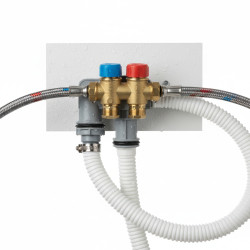
Prepare the Work Area & Turn Off Water: Before anything else, locate and close the stopcock (angle valve) or main water valve under your sink. Open the faucet to drain residual water and confirm the supply is off. Clear out the cabinet under the sink and place old towels or a bucket to catch any drips.
Step 2
Conduct a Visual Leak Inspection: With a flashlight, meticulously check all water supply lines, drain pipes, connections, the P-trap, and the area around the faucet base for any signs of leaks, drips, water stains, or corrosion.
Step 3
Examine Drain Assembly & P-Trap: Inspect the entire drain assembly, including the P-trap, for visible cracks, loose fittings, or any blockages. Test the drain stopper to ensure it creates a tight seal.
Step 4
Check Water Pressure & Faucet Aerator: Once initial inspections are complete, slowly turn the water supply back on. Test both hot and cold water flow at the faucet. If pressure is weak or spray is uneven, carefully unscrew the faucet aerator and clean it to remove mineral deposits.
Step 5
Tighten Loose Connections: For any identified minor leaks or wobbly components, carefully use an adjustable wrench to tighten nuts and fittings on water lines, drain pipes, or the faucet mounting. Remember: “snug” is enough; do not overtighten, especially on plastic parts.
Step 6
Address Minor Threaded Leaks with Plumber’s Tape: If a threaded connection continues to drip after tightening, turn off the water supply again. Disassemble the connection, wrap plumber’s tape (Teflon tape) clockwise around the threads 3-5 times, and then carefully re-tighten the fitting.
Step 7
Final Test and Monitor: After any adjustments or repairs, turn the water supply back on and thoroughly check all previously inspected areas for leaks, both immediately and over the next 10-15 minutes. Ensure consistent water flow from the faucet.
Common mistakes
- Overtightening pipes and connections, leading to cracks or stripped threads.
- Ignoring small, slow drips, which can cause significant water damage over time.
- Using inappropriate tools that can damage plumbing components.
- Forgetting to turn off the water supply before starting work, causing floods.
- Using harsh chemical drain cleaners excessively, which can corrode pipes.
When to call a professional
- If you encounter major leaks that you cannot locate or stop.
- When facing persistent low water pressure affecting multiple fixtures.
- For severe clogs that simple plunging or DIY methods cannot clear.
- If there is visible structural damage to the sink, countertop, or cabinet from water.
- If you are uncomfortable or unsure about performing any of the steps or fixes.
- For issues requiring specialized tools, expertise, or extensive plumbing knowledge.
Want this done properly without the hassle?
Aap DIY try kar sakte hain, lekin agar time nahi ya confidence kam ho, to professional bula lena better hota hai. Galat step se damage ya safety issue ho sakta hai.