How to Troubleshoot Kitchen Tile Grouting Issues at Home
Want this done properly without the hassle?
Aap DIY try kar sakte hain, lekin agar time nahi ya confidence kam ho, to professional bula lena better hota hai. Galat step se damage ya safety issue ho sakta hai.
Quick answer (read this first)
- Regularly inspect grout for cracks or discoloration.
- Clean affected areas thoroughly before repairs.
- Choose the correct grout type and use appropriate tools.
- Apply new grout meticulously and remove excess promptly.
- Always seal newly repaired grout to prevent future moisture damage.
Safety first
- Wear gloves and eye protection when handling cleaning chemicals or grout.
- Ensure good ventilation in the kitchen while working.
- Avoid direct skin contact with grout and cleaning solutions.
- Keep children and pets away from the work area until it’s clean and dry.
Tools you may need
- Grout saw or utility knife
- Stiff brush or scrub pad
- Grout cleaner (optional, for stubborn stains)
- Bucket
- Sponge
- New grout (sanded or unsanded, depending on joint size)
- Grout float
- Grout sealer
- Safety goggles
- Rubber gloves
- Vacuum cleaner
Step-by-step
Step 1
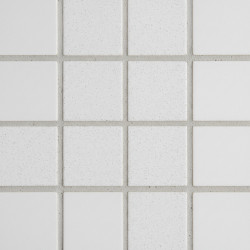
Step 1: Assess Grout Damage. Carefully examine all kitchen tile grout lines for cracks, crumbling, discoloration, mildew, or missing sections. Identify all areas needing repair.
Step 2
Step 2: Initial Cleaning. Use a stiff brush or scrub pad with warm water and mild detergent to clean the surface of the affected grout lines and surrounding tiles.
Step 3
Step 3: Deep Clean (If Needed). For stubborn stains or extensive mildew, apply a dedicated grout cleaner following product instructions. Rinse thoroughly and allow the area to dry completely before proceeding.
Step 4
Step 4: Prepare for Grout Removal. Don safety goggles and rubber gloves to protect yourself.
Step 5
Step 5: Remove Damaged Grout. Using a grout saw or utility knife, carefully scrape out the old, damaged, or discolored grout. Work slowly to avoid chipping or scratching the tiles. Aim to remove at least two-thirds of the old grout depth for proper adhesion of new grout.
Step 6
Step 6: Clear Debris. Vacuum or brush away all removed grout particles and dust from the gaps. Ensure the grooves are clean and dry for optimal new grout bonding.
Step 7
Step 7: Choose Correct Grout Type. Select sanded grout for wider joints (1/8 inch or more) and unsanded grout for narrower joints (less than 1/8 inch).
Step 8
Step 8: Mix New Grout. In a clean bucket, mix the new grout powder with water precisely according to the manufacturer’s instructions. Achieve a consistent, paste-like texture, free of lumps, similar to peanut butter. Let it sit for 5-10 minutes (slaking) then re-stir.
Step 9
Step 9: Apply Grout. Scoop a small amount of mixed grout onto a rubber grout float. Holding the float at a 45-degree angle, firmly press the grout into the tile joints, ensuring they are completely filled and packed tightly. Work in small sections.
Step 10
Step 10: Remove Excess. After filling a section, use the float at a nearly 90-degree angle to scrape off excess grout from the tile surface, pulling it diagonally across the joints.
Step 11
Step 11: Initial Grout Haze Removal. Wait 10-20 minutes for the grout to set slightly. Using a lightly damp sponge, gently wipe the tile surface in a circular motion to remove the initial grout haze. Rinse the sponge frequently with clean water.
Step 12
Step 12: Final Wipe-Down. After another 15-30 minutes, or once the grout has hardened a bit more, perform a final wipe-down with a clean, damp sponge to remove any remaining haze and smooth the grout lines. Be careful not to pull grout out of the joints.
Step 13
Step 13: Allow Grout to Cure. Let the newly applied grout cure completely according to the manufacturer’s instructions, typically 24-72 hours. Avoid exposing it to water or heavy use during this period.
Step 14
Step 14: Apply Grout Sealer. Once the grout is fully cured and dry, apply a high-quality penetrating grout sealer to protect it from moisture, stains, and mildew. Follow the sealer’s instructions for application and reapplication frequency.
Common mistakes
- Not properly cleaning the old grout before applying new, leading to poor adhesion.
- Mixing grout incorrectly (too watery or too thick), affecting its strength and appearance.
- Applying new grout over existing loose or moldy grout instead of removing it.
- Not waiting for the proper curing time before cleaning or applying a sealer.
- Using the wrong type of grout (e.g., unsanded for wide joints or vice versa).
When to call a professional
- If you discover extensive mold or mildew growth that persists after cleaning or reappears quickly.
- If multiple tiles are loose, cracked, or if you suspect underlying structural damage to your subfloor or walls.
- If there are signs of water leakage or moisture issues behind the walls or under the floor, indicating a larger plumbing problem.
- If you feel uncomfortable or lack the specific tools and experience for proper grout removal and application.
- For large-scale kitchen renovations that involve extensive re-grouting and tile work beyond simple spot repairs.
Want this done properly without the hassle?
Aap DIY try kar sakte hain, lekin agar time nahi ya confidence kam ho, to professional bula lena better hota hai. Galat step se damage ya safety issue ho sakta hai.