How to do a basic Muslim Shower Installation safety check and quick fixes
Want this done properly without the hassle?
Aap DIY try kar sakte hain, lekin agar time nahi ya confidence kam ho, to professional bula lena better hota hai. Galat step se damage ya safety issue ho sakta hai.
Quick answer (read this first)
- Prioritize safety: Always turn off the water supply first.
- Inspect all connections for any visible leaks or dampness.
- Gently tighten any loose nuts or fittings.
- Clear blocked shower nozzles for better water flow.
- Replace worn-out rubber washers to stop drips.
- Use PTFE tape on threaded connections for secure sealing.
Safety first
- Prioritize personal safety: Always turn off the main water supply before any work.
- Protect hands: Wear appropriate gloves to avoid injury and dirt.
- Avoid electrical components: This guide is strictly for plumbing issues, not electrical.
- Handle tools carefully: Prevent damage to fixtures, pipes, or yourself.
- Know your limits: If unsure or uncomfortable with any step, stop and call a professional.
Tools you may need
- Adjustable wrench or suitable pliers
- Flathead and Phillips screwdrivers
- PTFE (Teflon) tape for sealing threads
- Small cleaning brush or a fine pin for nozzle clearing
- Assorted replacement rubber washers
- Bucket or absorbent cloth for catching water
Step-by-step
Step 1
Step 1: Turn Off Water Supply. Locate the main water valve for your bathroom or the entire house. Turn it off completely to prevent any water flow during the repair process. Confirm the water is off by briefly opening the Muslim shower.
Step 2
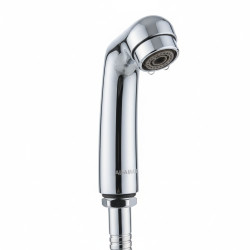
Step 2: Inspect for Leaks. Thoroughly inspect all potential leak points. Check the connection where the hose meets the wall, the joint at the shower head, and the trigger mechanism. Look for any visible drips, water stains, or dampness.
Step 3
Step 3: Tighten Loose Connections. If you find loose connections, use an adjustable wrench or pliers. Gently turn the nuts or fittings clockwise to tighten them. Exercise caution to avoid overtightening, which can strip threads or crack plumbing components.
Step 4
Step 4: Check for Clogs. For weak or inconsistent water flow, carefully unscrew the Muslim shower head. Examine the nozzle holes for any signs of mineral buildup, dirt, or debris. Use a small brush, toothpick, or fine pin to gently clear any blockages from the nozzle openings.
Step 5
Step 5: Replace Worn Washers. If a leak persists after tightening, it’s likely a worn washer. Carefully unscrew the problematic connection. Remove the old, hardened, or cracked rubber washer and replace it with a new, correctly sized one. Re-assemble and gently tighten the connection.
Step 6
Step 6: Apply PTFE Tape. For leaks at threaded joints, unscrew the fitting completely. Wrap 3-5 layers of PTFE (Teflon) tape clockwise around the threads. Ensure the tape is smooth and covers all threads. Re-screw the fitting back into place and tighten firmly but without excessive force.
Step 7
Step 7: Test the Shower. Slowly turn the main water supply back on. Carefully observe all repaired connections for any signs of new or persistent leaks. Operate the Muslim shower trigger to check water flow. If any leaks reappear, immediately turn off the water and re-examine the affected connection.
Common mistakes
- Neglecting to turn off the main water supply, leading to spills or flooding.
- Overtightening fittings, causing stripped threads, cracked pipes, or damaged fixtures.
- Using improper tools, which can round off nuts or scratch surfaces.
- Ignoring small drips, allowing them to worsen and cause water damage.
- Attempting complex repairs without the right expertise or equipment.
When to call a professional
- If persistent leaks remain despite your best efforts at basic fixes.
- When you suspect concealed plumbing issues, such as leaks behind walls or beneath floors.
- If the main water shut-off valve is faulty, stuck, or leaking.
- For complete Muslim shower unit replacement, new installations, or significant plumbing alterations.
- If you feel uncomfortable, lack the correct tools, or are unsure how to proceed safely.
Want this done properly without the hassle?
Aap DIY try kar sakte hain, lekin agar time nahi ya confidence kam ho, to professional bula lena better hota hai. Galat step se damage ya safety issue ho sakta hai.