How to Troubleshoot Muslim Shower Installation Issues at Home
Want this done properly without the hassle?
Aap DIY try kar sakte hain, lekin agar time nahi ya confidence kam ho, to professional bula lena better hota hai. Galat step se damage ya safety issue ho sakta hai.
Quick answer (read this first)
- Check water supply and pressure.
- Inspect for leaks and tighten connections.
- Clean the nozzle for blockages.
- Ensure proper installation orientation.
Safety first
- Always turn off the main water supply before starting any work.
- Wear gloves to protect your hands from potential sharp edges or dirt.
- Use appropriate tools carefully to avoid injury or damage.
- Do not overtighten fittings, as this can cause damage to pipes or fixtures.
Tools you may need
- Adjustable wrench
- Plumber’s tape (PTFE tape)
- Screwdriver (flathead or Phillips)
- Small brush or pin (for cleaning nozzles)
- Bucket or cloth (for catching spills)
Step-by-step
Step 1
Turn Off Water Supply: Locate and completely shut off the main water supply valve to your bathroom or the entire house. This is a crucial safety step before any work.
Step 2
Initial Leak Inspection: Visually check all connections, including the shower head, hose, and wall mount, for any visible water drips, leaks, or signs of moisture.
Step 3
Check for Loose Connections: Gently hand-tighten any obviously loose fittings. If needed, use an adjustable wrench, but be extremely careful not to overtighten, as this can damage pipes or threads.
Step 4
Inspect Rubber Washers: Disconnect the hose from the wall outlet and the shower head. Examine the rubber washers (gaskets) at both connection points. Replace any that appear worn, cracked, or missing with new ones to ensure a proper seal.
Step 5
Clear Nozzle Blockages (Low Pressure): If experiencing low water pressure or an uneven spray, carefully unscrew the shower head. Inspect its nozzle for any accumulated dirt, limescale, or debris and use a small brush or pin to gently clear blockages.
Step 6
Apply Plumber’s Tape: Re-wrap plumber’s tape (PTFE tape) clockwise around the threaded connections of the wall outlet and the shower head before reattaching the hose. This creates a watertight seal and prevents future leaks.
Step 7
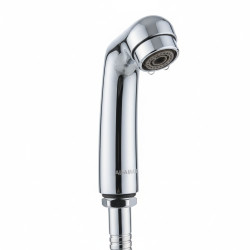
Test and Re-inspect: Slowly turn the main water supply back on. Carefully observe the Muslim Shower for any new leaks, and check for improved water pressure and spray pattern.
Common mistakes
- Overtightening connections, which can strip threads or crack pipes.
- Forgetting to turn off the water supply before attempting any repairs, leading to floods.
- Not using plumber’s tape (PTFE tape) on threaded connections, resulting in persistent leaks.
- Ignoring a damaged or missing rubber washer, a common cause of drips and low pressure.
- Misdiagnosing low pressure when the main water valve is only partially open.
When to call a professional
- If you identify a major pipe burst or a persistent leak that you cannot stop.
- If the water pressure issue affects your entire home, indicating a larger plumbing problem.
- When you are unsure about the cause of the problem or how to safely proceed with repairs.
- If the issue requires complex pipe alterations or welding during a new installation or repair.
- If, after basic troubleshooting, the problem persists, indicating a deeper plumbing fault.
Want this done properly without the hassle?
Aap DIY try kar sakte hain, lekin agar time nahi ya confidence kam ho, to professional bula lena better hota hai. Galat step se damage ya safety issue ho sakta hai.