How to prevent common Picture Frame Hanging problems and when to call a pro
Want this done properly without the hassle?
Aap DIY try kar sakte hain, lekin agar time nahi ya confidence kam ho, to professional bula lena better hota hai. Galat step se damage ya safety issue ho sakta hai.
Quick answer (read this first)
- Measure carefully before hanging to achieve precise placement.
- Always use appropriate hooks and anchors for the frame’s weight and your specific wall type.
- Crucially, check for hidden electrical wires, water pipes, or gas lines before drilling or hammering.
- Ensure all frames are perfectly level and securely mounted to prevent falls.
Safety first
- Always use a stable ladder or step stool; never stand on unstable furniture.
- Wear appropriate eye protection, especially when drilling or hammering into walls.
- Crucially, use a stud finder or carefully tap the wall to detect hidden electrical wires, water pipes, or gas lines before drilling or hammering. Hitting these can cause serious injury or damage.
- Do not overload picture hooks; always verify the weight capacity before hanging any frame.
- Enlist assistance when handling large or heavy frames to prevent personal injury or damage to the frame.
Tools you may need
- Measuring tape
- Pencil
- Spirit level
- Hammer
- Drill (with appropriate bits for wall type and anchors)
- Picture hanging hooks/wire/screws
- Wall anchors (for drywall, plaster, or concrete as needed)
- Stud finder (highly recommended for safety)
Step-by-step
Step 1
Visualize & Mark Position: Hold your picture frame against the wall at the desired height and location. Use a pencil to lightly mark the top center of where the frame will sit.
Step 2
Determine Hanging Point: On the back of your frame, measure the distance from the top of the frame to its hanging wire or hook. Transfer this exact measurement downwards from your initial wall mark, making a new mark. This new mark indicates where your hanging hardware will be placed.
Step 3
Scan for Obstructions: Before any drilling or hammering, use a stud finder over the marked area. Scan horizontally and vertically to detect hidden electrical wires, water pipes, or gas lines. If you detect any, choose an alternative hanging spot to prevent serious damage or injury.
Step 4
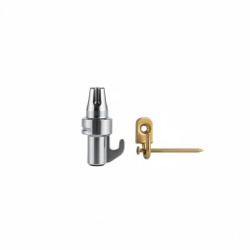
Select & Install Hardware: Based on your wall type (e.g., concrete, brick, drywall) and the frame’s weight, choose appropriate hanging hardware. For lighter frames on drywall, a simple picture hook might suffice. For heavier frames or concrete walls, you’ll need a drill, wall anchors, and screws. Install the chosen hardware securely at your marked hanging point.
Step 5
Verify Secure Installation: Gently tug on the installed hook or screw to confirm it is firmly embedded and can bear the full weight of your picture frame. Ensure there’s no wobbling or looseness.
Step 6
Hang the Frame: Carefully lift your picture frame and align its hanging mechanism with the installed hardware on the wall. Gently lower the frame until it rests securely and flush against the wall.
Step 7
Level and Adjust: Place a spirit level on top of the frame. Make small adjustments until the bubble is perfectly centered, indicating the frame is level. Step back to check the overall aesthetic and make any final, minor adjustments.
Common mistakes
- Inaccurate Measurements: Not carefully measuring the hanging point, resulting in crooked or misaligned frames.
- Incorrect Hardware: Using hooks or anchors that are too weak for the frame’s weight or unsuitable for the wall material (e.g., using a drywall anchor in concrete).
- Ignoring Wall Obstructions: Drilling or hammering without checking for hidden electrical wires, water pipes, or studs, leading to dangerous and costly damage.
- Poor Placement: Hanging frames at an awkward height (too high or too low) or off-center from furniture or architectural features.
- Skipping the Level: Relying on guesswork instead of a spirit level, resulting in visually unappealing, slanted displays.
- Overloading Hooks: Placing a frame heavier than the hook’s capacity, which can cause the frame to fall and get damaged, or even injure someone.
When to call a professional
- Extremely Heavy or Oversized Items: For very large, heavy mirrors, or substantial artwork that requires specialized mounting techniques beyond standard picture hooks.
- Uncertain Wall Material or Hidden Risks: If you are unsure about your wall’s composition (e.g., old plaster, unusual construction) or suspect there are extensive hidden wires, pipes, or structural elements.
- Complex Gallery Walls: When planning an intricate arrangement of multiple frames that demands precise spacing and alignment for a cohesive look.
- Lack of Tools or Expertise: If you do not possess the necessary tools (like a heavy-duty drill for concrete walls) or lack confidence in your DIY skills for the specific task.
- High-Value or Fragile Art: To ensure the safe and secure installation of irreplaceable or very fragile art pieces.
Want this done properly without the hassle?
Aap DIY try kar sakte hain, lekin agar time nahi ya confidence kam ho, to professional bula lena better hota hai. Galat step se damage ya safety issue ho sakta hai.