How to do a basic Plastic Tank Cleaning safety check and quick fixes
Want this done properly without the hassle?
Aap DIY try kar sakte hain, lekin agar time nahi ya confidence kam ho, to professional bula lena better hota hai. Galat step se damage ya safety issue ho sakta hai.
Quick answer (read this first)
- Regularly inspect your plastic water tank for cracks, leaks, and algae growth.
- Check all inlet and outlet pipes for blockages, loose connections, or drips.
- Ensure the tank lid is securely fastened to prevent contamination.
- Maintain good ventilation around the tank to prevent moisture buildup.
- Clean exterior debris and observe water quality for any changes.
Safety first
- Work only in well-lit areas, preferably during daylight hours.
- Use a stable, sturdy ladder and never climb on unstable tank surfaces.
- Wear protective gloves and eye protection, especially when handling water from inside the tank or using cleaning agents.
- Ensure adequate ventilation if using any chemicals or working in confined spaces.
- Never attempt electrical repairs on pumps or wiring. Call a qualified electrician.
- Avoid entering tanks or working alone on elevated tanks.
Tools you may need
- Flashlight or headlamp
- Rubber gloves and safety glasses
- Soft-bristle brush, sponge, or clean cloth
- Adjustable wrench (for minor pipe connections)
- Small bucket or container
- Waterproof duct tape or epoxy repair kit (for temporary small leak fixes)
Step-by-step
Step 1
Safety First: Before starting, ensure you have adequate lighting and a stable ladder if working at height. Wear gloves.
Step 2
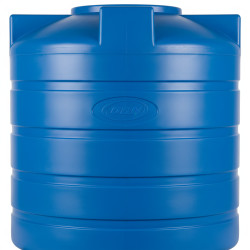
Exterior Visual Inspection: Carefully inspect the entire outer surface of the plastic tank for any cracks, bulges, discolouration, or signs of algae growth.
Step 3
Check Tank Lid Security: Ensure the tank lid is tightly sealed and free of debris. A loose lid can lead to contamination from dust, insects, and other pollutants.
Step 4
Inspect Pipes and Connections: Examine all inlet, outlet, and overflow pipes. Look for visible leaks, loose fittings, corrosion, or any signs of blockage. Gently check if valves are operating smoothly.
Step 5
Observe Water Level Indicator (if present): Verify that any water level indicator is functioning freely and not stuck, providing an accurate reading.
Step 6
Listen for Unusual Sounds: Pay attention to any strange noises from the tank or the connected water pump. Grinding or sputtering sounds might indicate blockages or mechanical issues.
Step 7
Address Minor External Leaks (Quick Fix): For very small, non-structural cracks or pinholes on the exterior, clean the area thoroughly and apply a temporary fix using waterproof duct tape or a specialized plastic repair epoxy kit. Remember, this is a short-term solution.
Step 8
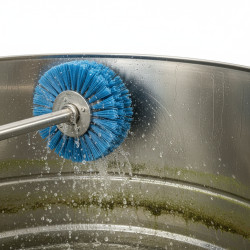
Clean Tank Exterior: Using a soft brush or cloth and plain water, wipe down the exterior of the tank to remove dust, dirt, and minor algae buildup. Avoid harsh chemicals.
Step 9
Ensure Proper Ventilation: Check that there is sufficient space and airflow around the tank to prevent excessive heat retention and inhibit mould or algae growth in the surrounding area.
Common mistakes
- Ignoring minor leaks or drips, which can quickly escalate into larger, more damaging problems.
- Using abrasive brushes or harsh chemical cleaners that can scratch, weaken, or damage the plastic tank material.
- Attempting advanced repairs (e.g., major crack sealing, pump repair) without the necessary expertise or proper safety equipment.
- Leaving the tank lid unsecured or damaged, directly leading to water contamination from pests, dust, and debris.
- Neglecting routine visual inspections, allowing small, easily preventable issues to develop into significant and costly problems.
When to call a professional
- When you discover large cracks, significant bulges, or any structural damage to the plastic tank itself.
- If leaks persist or reappear after attempting temporary quick fixes.
- For any problems involving the water pump, electrical connections, or wiring – these require a qualified professional.
- If the water consistently has an unusual colour, odour, or taste, even after external checks, indicating potential internal contamination.
- When you need a comprehensive internal cleaning, disinfection, or descaling of the tank.
- If you are ever unsure about the safety of a repair, the source of a problem, or feel uncomfortable performing any part of the maintenance.
Want this done properly without the hassle?
Aap DIY try kar sakte hain, lekin agar time nahi ya confidence kam ho, to professional bula lena better hota hai. Galat step se damage ya safety issue ho sakta hai.