How to Troubleshoot Plastic Water Tank Cleaning Issues at Home
Want this done properly without the hassle?
Aap DIY try kar sakte hain, lekin agar time nahi ya confidence kam ho, to professional bula lena better hota hai. Galat step se damage ya safety issue ho sakta hai.
Quick answer (read this first)
- Inspect the tank for lingering sludge, debris, or algae post-cleaning.
- Thoroughly re-rinse the tank to remove all cleaning agent residues.
- Examine inlet and outlet pipes for any blockages affecting water flow.
- Check your water pump for proper function if water pressure is low or inconsistent.
Safety first
- Always disconnect power to the water pump before any work.
- Wear protective gloves and a mask, especially when using cleaning agents.
- Ensure good ventilation when working inside or near the tank.
- Avoid mixing different cleaning chemicals, which can produce dangerous fumes.
- Do not enter a large tank without proper safety gear and assistance.
Tools you may need
- Bucket
- Stiff brush or scrubber
- Gloves and mask
- Torchlight
- Garden hose
- Mild detergent or tank-safe cleaning solution
Step-by-step
Step 1
Completely Drain the Tank: Turn off the main water supply to the tank and open all house taps to fully drain the water.
Step 2
Conduct a Thorough Internal Inspection: Use a torchlight to visually check for any lingering dirt, sludge, algae, or sediment on tank walls and bottom after initial cleaning.
Step 3
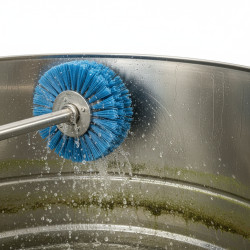
Re-scrub and Spot Clean: If residue remains, re-scrub affected areas vigorously with a stiff brush and a small quantity of mild, tank-safe cleaning agent.
Step 4
Perform Multiple Flushes and Rinses: Fill the tank halfway with fresh water, scrub again, then drain completely. Repeat this process several times to ensure all cleaning agents and dislodged debris are gone.
Step 5
Inspect Inlet and Outlet Pipes for Blockages: Check both the inlet and outlet pipes for any visible obstructions or debris that might be hindering water flow. Clear any blockages found.
Step 6
Monitor Refilled Water Quality: After refilling the tank, run water through various taps for several minutes. Check for any unusual smell, taste, or discoloration.
Step 7
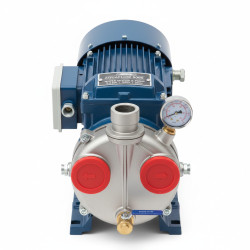
Assess Water Pump Operation: If low water flow or pressure persists, verify that your water pump is functioning correctly and is not clogged, air-locked, or faulty.
Common mistakes
- Not fully draining the tank before inspection or re-cleaning.
- Using harsh or inappropriate chemicals that can damage the tank or contaminate the water.
- Insufficient rinsing, leaving behind cleaning agent residue that affects water quality.
- Neglecting to check the tank’s inlet and outlet pipes for blockages.
- Failing to disconnect the water pump’s power supply before commencing work.
When to call a professional
- If persistent foul smell, taste, or discoloration remains in the water despite your efforts.
- You discover major cracks, leaks, or structural damage to the tank that you cannot repair.
- There are significant blockages in the piping system that you are unable to clear.
- You suspect an issue with the water pump or any related electrical components.
- You are unsure about any step of the process or if the tank is too large/complex to handle safely.
Want this done properly without the hassle?
Aap DIY try kar sakte hain, lekin agar time nahi ya confidence kam ho, to professional bula lena better hota hai. Galat step se damage ya safety issue ho sakta hai.