How to Perform Basic Plumbing Safety Checks and Quick Fixes

Want this done properly without the hassle?
Aap DIY try kar sakte hain, lekin agar time nahi ya confidence kam ho, to professional bula lena better hota hai. Galat step se damage ya safety issue ho sakta hai.
Quick answer (read this first)
- Regularly inspect pipes and fixtures for visible leaks and drips.
- Verify proper water pressure and drainage in all outlets.
- Locate and test your home’s main water shut-off valve.
- Address minor issues like drips or slow drains immediately.
- Understand when a problem requires professional plumbing help.
Safety first
- Always turn off the main water supply before attempting any repairs involving pipes.
- Wear appropriate protective gear, including gloves and eye protection.
- Never mix different cleaning chemicals, as this can produce dangerous fumes.
- Exercise caution around water to prevent slips and falls.
- Ensure good ventilation when using any chemical products.
Tools you may need
- Adjustable wrench for tightening fittings.
- Basic plunger for clearing minor clogs.
- Screwdriver set (flathead and Phillips).
- Plumber’s tape (PTFE tape) for sealing threads.
- Bucket and absorbent rags for spills.
- Flashlight for inspecting dark areas.
- Pliers (slip-joint or tongue-and-groove).
Step-by-step
Step 1
Locate and Test Your Main Water Shut-Off Valve: Find your home’s main water shut-off valve and ensure it operates freely. This is crucial for emergencies.
Step 2
Inspect for Visible Leaks: Systematically check all accessible pipes, connections, and fixtures (under sinks, near toilets, water heaters) for moisture, drips, or water stains.
Step 3
Assess Faucet and Toilet Functionality: Turn on all faucets to verify consistent water pressure and smooth flow. Flush toilets to ensure proper filling and draining without continuous running or phantom flushes.
Step 4
Address Slow Drains and Minor Clogs: Use a plunger for slow-draining sinks, showers, or toilets. Avoid using harsh chemical drain cleaners, as they can damage pipes over time. For hair clogs, try removing debris manually if accessible.
Step 5
Fix Dripping Faucets: For persistent drips, first gently tighten the faucet’s packing nut or handle screws. If the drip continues, identify the type of faucet and consider replacing a worn-out washer or O-ring if it’s a simple cartridge faucet.
Step 6
Examine the Water Heater: Check around your water heater for any signs of pooling water, rust, or unusual noises. Ensure the pressure relief valve discharge pipe is intact.
Step 7
Check Outdoor Plumbing: Inspect all outdoor faucets and hose connections for leaks. Ensure garden hoses are not left under pressure when not in use.
Step 8
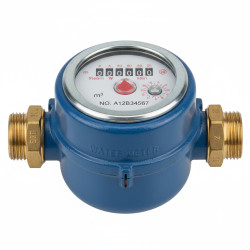
Monitor Water Meter: If you suspect a hidden leak, turn off all water-using appliances and check your water meter. If it’s still running, you likely have a concealed leak.
Common mistakes
- Over-tightening fittings, which can strip threads or crack pipes.
- Using the wrong tools for the task, leading to damage or injury.
- Ignoring minor leaks, allowing them to escalate into major problems.
- Applying excessive force when clearing clogs, potentially damaging pipes.
- Failing to shut off the main water supply before attempting any repair.
When to call a professional
- For major burst pipes, severe leaks, or extensive water damage.
- If you experience widespread low water pressure or complete loss of water supply.
- When facing complex clogs that a plunger or basic methods cannot resolve.
- If you detect unusual smells like sewage, or suspect a gas leak near water heaters.
- For hot water heater malfunctions, especially if involving gas or electrical components.
- Any time you feel uncertain about a repair or the issue is beyond a quick fix.
Want this done properly without the hassle?
Aap DIY try kar sakte hain, lekin agar time nahi ya confidence kam ho, to professional bula lena better hota hai. Galat step se damage ya safety issue ho sakta hai.